There are good Pilates studios in almost every Australian city and many regional towns, and a few that are not so good. Because Pilates instruction is not regulated, the quality of teaching varies a lot. A little homework before you sign up protects your body and your wallet.
Why qualifications matter
In Australia, there is no legal requirement for a Pilates instructor to hold a particular qualification. Courses range from short weekend workshops to comprehensive programs taking many months, with hundreds of hours of study, observation and supervised teaching. A well-trained instructor understands how to adapt exercises for different bodies, spot unsafe technique and recognise when someone should see a health professional.
Types of certification
- Mat certification. Trains instructors to teach mat classes.
- Reformer certification. Trains instructors to teach on the reformer, often for group classes.
- Comprehensive certification. Covers the mat and all major apparatus: reformer, Cadillac, chair and barrels. Comprehensive instructors usually have the broadest training.
- Nationally recognised qualifications. Some training providers offer vocational qualifications in Pilates instruction within the Australian training system.
- Specialist training. Additional courses in pre and postnatal Pilates, seniors, or working with specific conditions.
Industry bodies
Australian industry bodies include the Australian Pilates Method Association (APMA) and Pilates Alliance Australasia (PAA). Membership typically requires recognised training, ongoing professional development, current first aid and CPR, and professional indemnity insurance. Membership is not compulsory, but it is a useful signal that an instructor meets a set standard and keeps learning.
Clinical Pilates
If you want Pilates as part of treatment for an injury or condition, look for a registered health professional, usually a physiotherapist, with additional Pilates training. You can check registration on the Ahpra public register. See our clinical Pilates guide.
Questions to ask a studio
Questions to ask before you join
0 of 8 done
Ticks are saved in this browser only.
What to look for in a class
When you try a class, notice whether the instructor:
- asks about injuries, pain, pregnancy and health before class;
- explains the equipment and safety clearly;
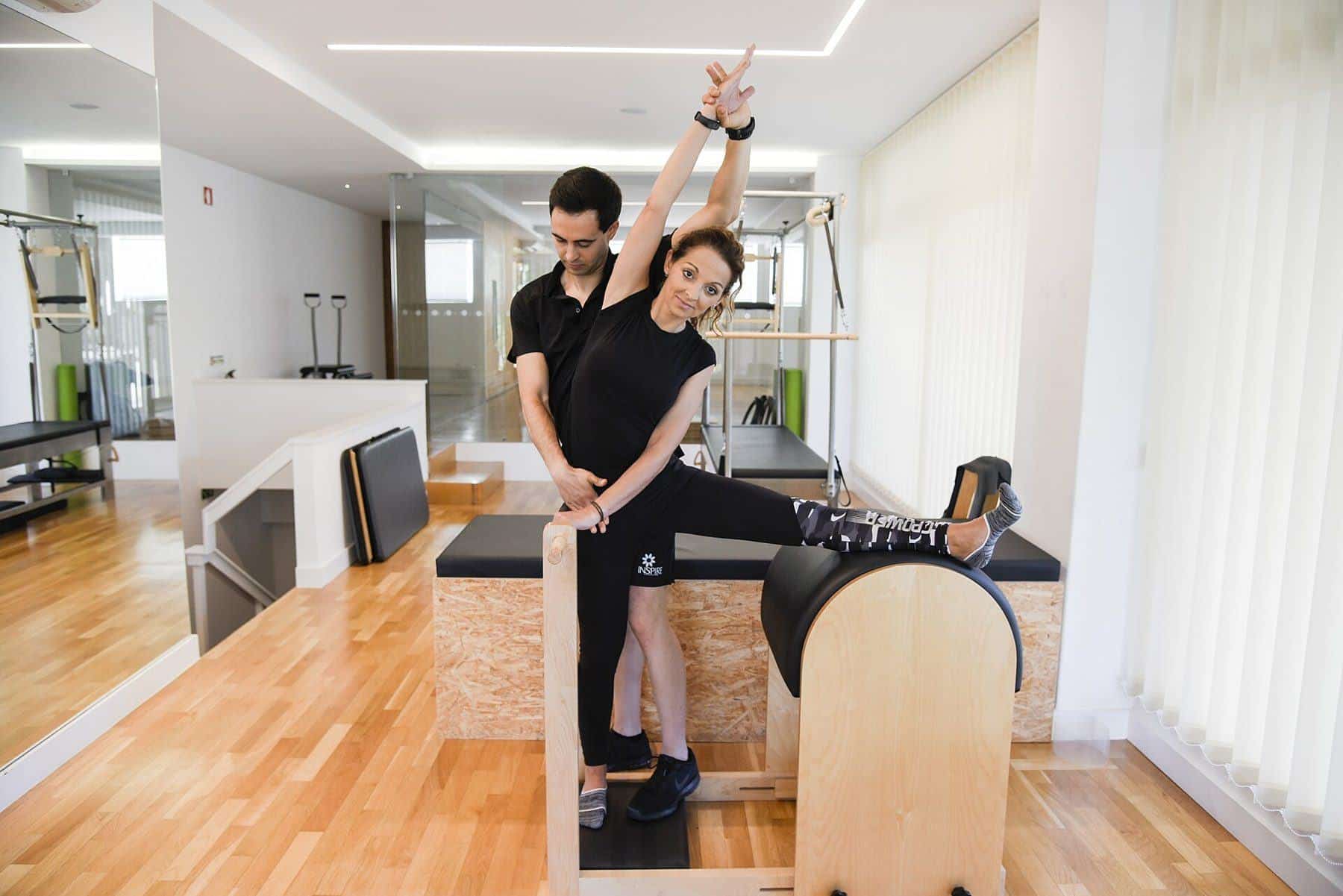
- watches students and gives individual cues and modifications;
- encourages you to work within your limits;
- keeps the class to a manageable size.
Also notice the studio itself: is the equipment clean and well maintained? Is there enough space between machines?
Red flags
- No questions about your health before your first class.
- Very large classes where the instructor cannot see everyone.
- Worn straps, frayed springs or broken equipment.
- Pressure to sign a long contract on the spot.
- Claims that Pilates will cure back pain, "melt fat" from specific areas or treat medical conditions.
- Instructors who dismiss pain or discourage you from seeing a health professional.
Pricing, contracts and your rights
Studios sell casual classes, packs and memberships. Before you pay, read the terms: how long a pack lasts, how far ahead you must cancel a booking, late cancellation fees, and how to freeze or end a membership. Under Australian Consumer Law, businesses must not mislead you about prices or terms, and the ACCC publishes guidance for consumers on gym and fitness memberships. Keep copies of what you sign.
We do not publish prices. They vary widely between cities, suburbs and class types, and change often. Compare at least three studios.
Group, small group or private?
| Format | Pros | Cons |
|---|---|---|
| Group class | More affordable, social | Less individual attention |
| Small group | More attention, still social | Costs more than group |
| Private | Fully tailored, fastest learning | Most expensive |
Many people start with a few private sessions or a foundations course, then join group classes.
Accessibility and inclusion
If you have a disability, are older, are returning after a long break or simply feel nervous, ask whether the studio offers suitable classes, accessible facilities and instructors with relevant experience. A welcoming studio will be happy to talk it through.
Making the decision
Choose the studio with qualified instructors, a class style that suits you, a timetable you can keep and terms you understand. Location matters more than people think: a studio near home or work is far easier to stick with. Use the intro offer, then decide.
Reviewing your choice
After a month or two, ask yourself whether you are still enjoying the classes, getting useful feedback and making progress towards your goals. If not, it is fine to try another studio or class format. Your needs may change over time.
Frequently asked questions
Is Pilates instruction regulated in Australia?
No. Pilates instruction is not a regulated profession, so qualifications vary. Clinical Pilates delivered by a physiotherapist is different, because physiotherapists must be registered with Ahpra.
What is a comprehensive Pilates certification?
A comprehensive certification trains instructors on the mat and all the major apparatus, such as the reformer, Cadillac, chair and barrels, usually with substantial observation and practice teaching hours.
What industry bodies exist in Australia?
Australian bodies include the Australian Pilates Method Association and Pilates Alliance Australasia. Membership usually requires recognised training, ongoing education, first aid and insurance.
What are red flags in a Pilates studio?
Instructors who do not ask about injuries, very large classes with little supervision, poorly maintained equipment, pressure to sign long contracts, and claims that Pilates will cure medical conditions.
Should I sign up for a membership straight away?
Try an introductory offer or a few casual classes first. Read the terms carefully before committing, including cancellation, freezing and pack expiry.
Can I ask an instructor about their training?
Yes. Good instructors are happy to tell you where they trained, what certification they hold and how they keep their skills up to date.
Sources and further reading
Facts on this page were checked against these primary and official sources. Conditions change — confirm before you travel or buy.
- Pilates Alliance Australasia — PAA
- Register of practitioners — Australian Health Practitioner Regulation Agency
- Gyms and fitness centres — Australian Competition and Consumer Commission