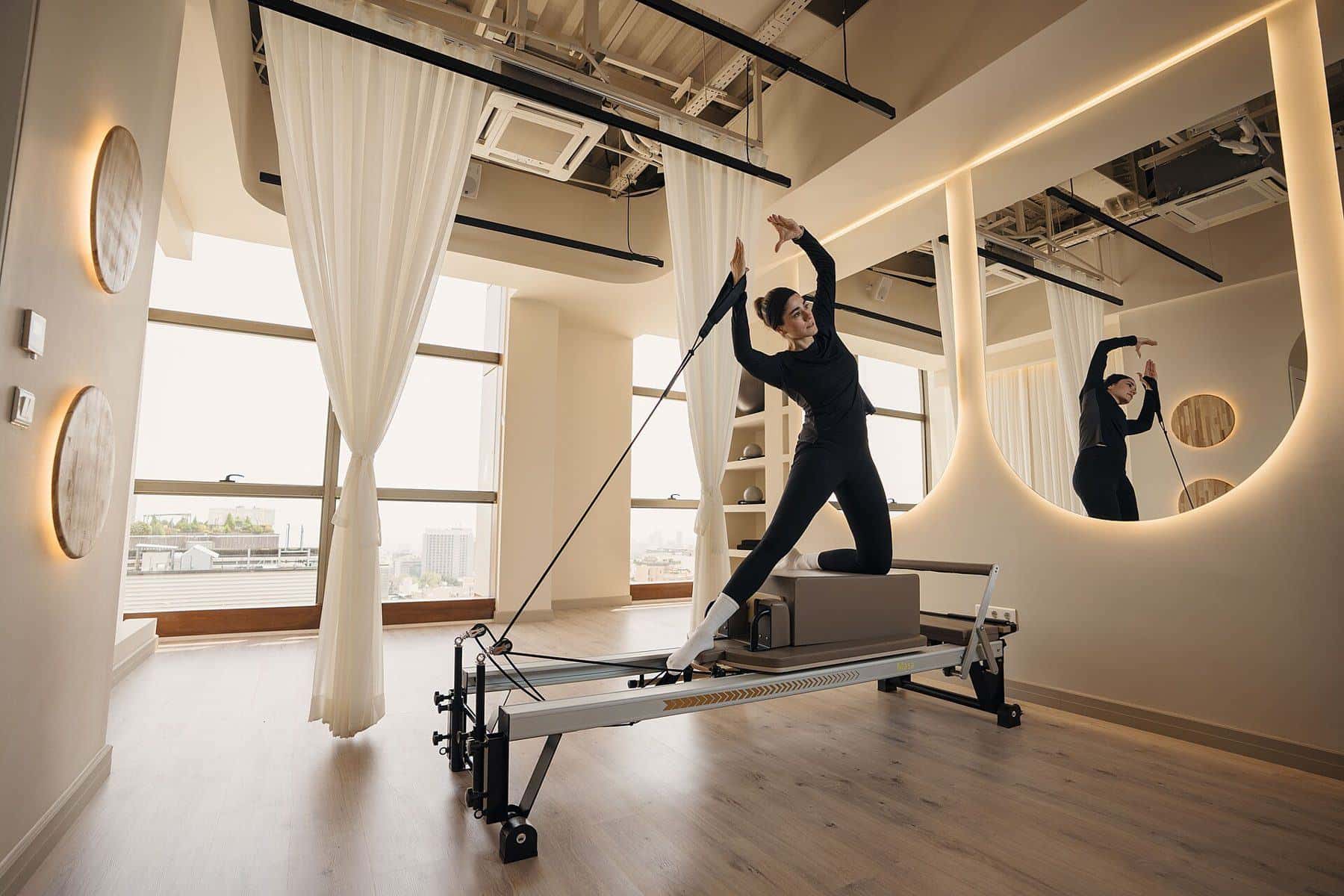
Every style of Pilates draws on the method Joseph Pilates developed in the early twentieth century: controlled movement, coordinated breathing, attention to alignment and a strong, supportive trunk. What differs is the setting, the equipment and who is teaching. Understanding those differences is the quickest way to find a class you will enjoy and stick with.
Style finder
Which Pilates style suits you?
1. What best describes you right now?
2. Where would you like to practise?
3. What matters most to you?
4. How do you feel about equipment?
Answer all four questions to see a suggested starting point.
General guidance only, not medical advice. If you are pregnant, injured or managing a health condition, talk to your doctor or physiotherapist before starting a new exercise program.
Mat Pilates
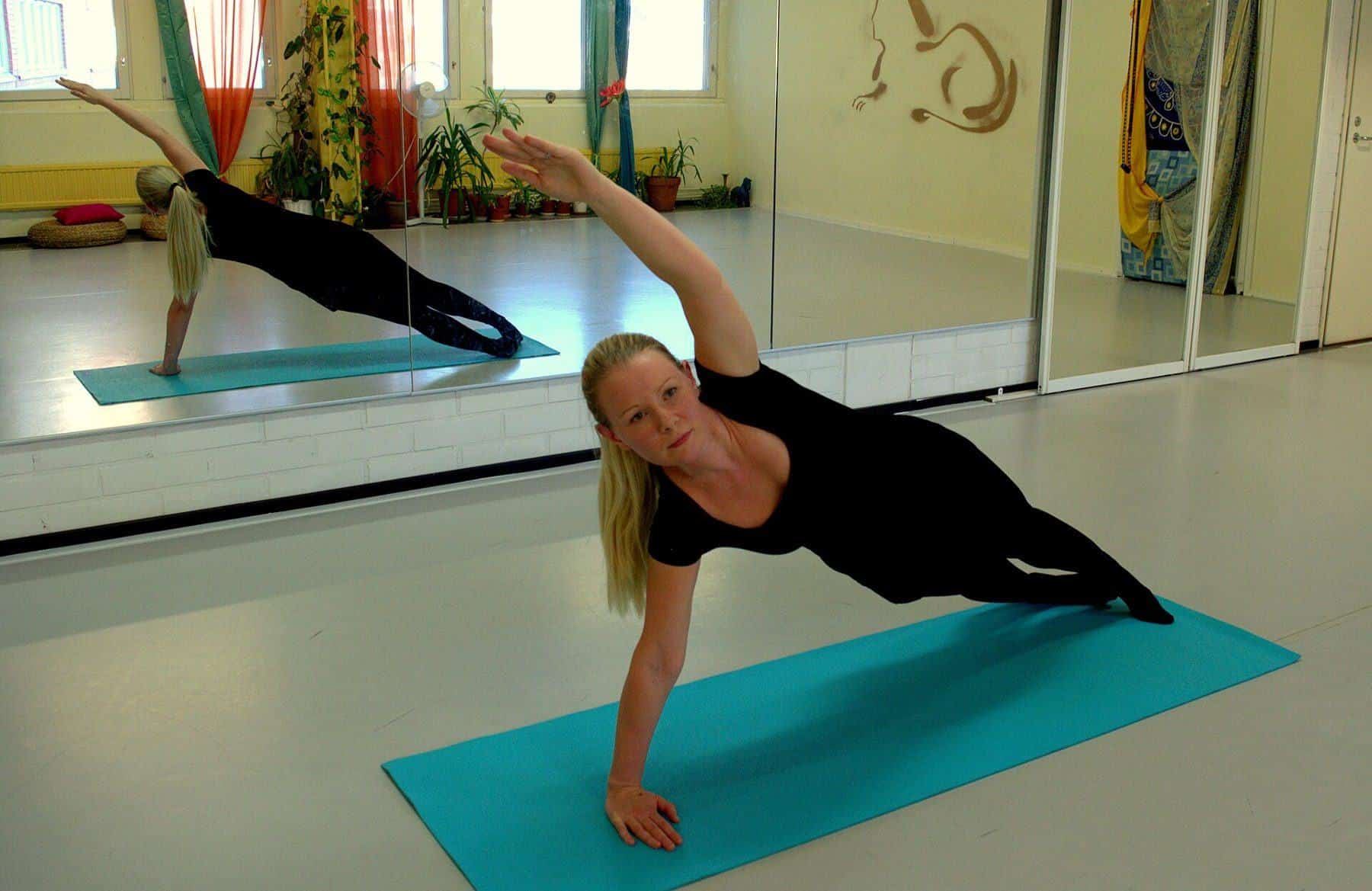
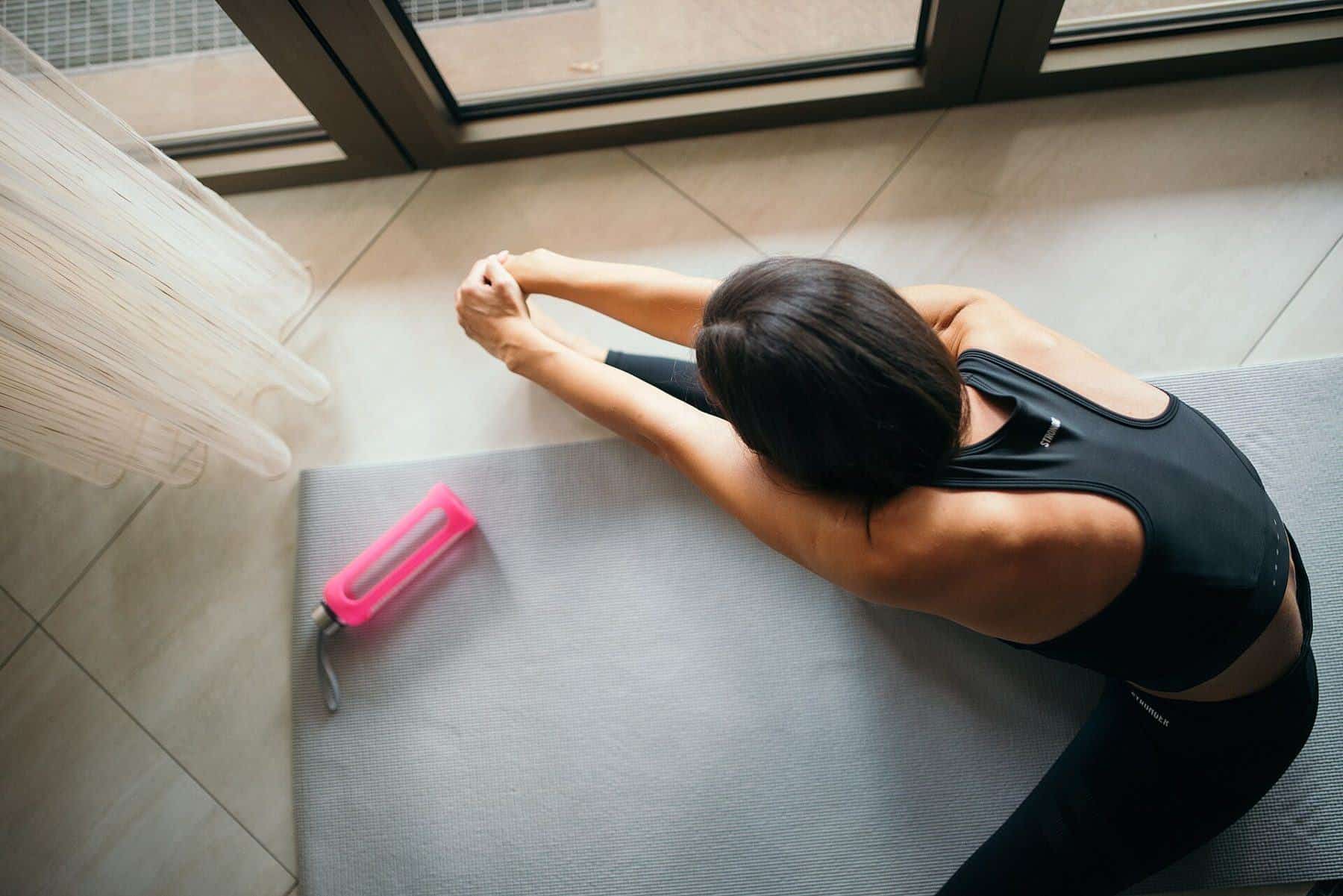
Mat Pilates is the original form of the method. Joseph Pilates' book Return to Life Through Contrology describes a sequence of mat exercises that anyone could perform at home. Modern mat classes often add small props: a soft ball, a resistance band, a foam roller or a Pilates ring (sometimes called a magic circle).
Mat work uses your own body weight against gravity, so there is nothing to support you in the harder exercises. That makes it both accessible and surprisingly challenging. It is also the most affordable way to learn and the easiest to continue at home. Read the mat Pilates guide.
Reformer Pilates
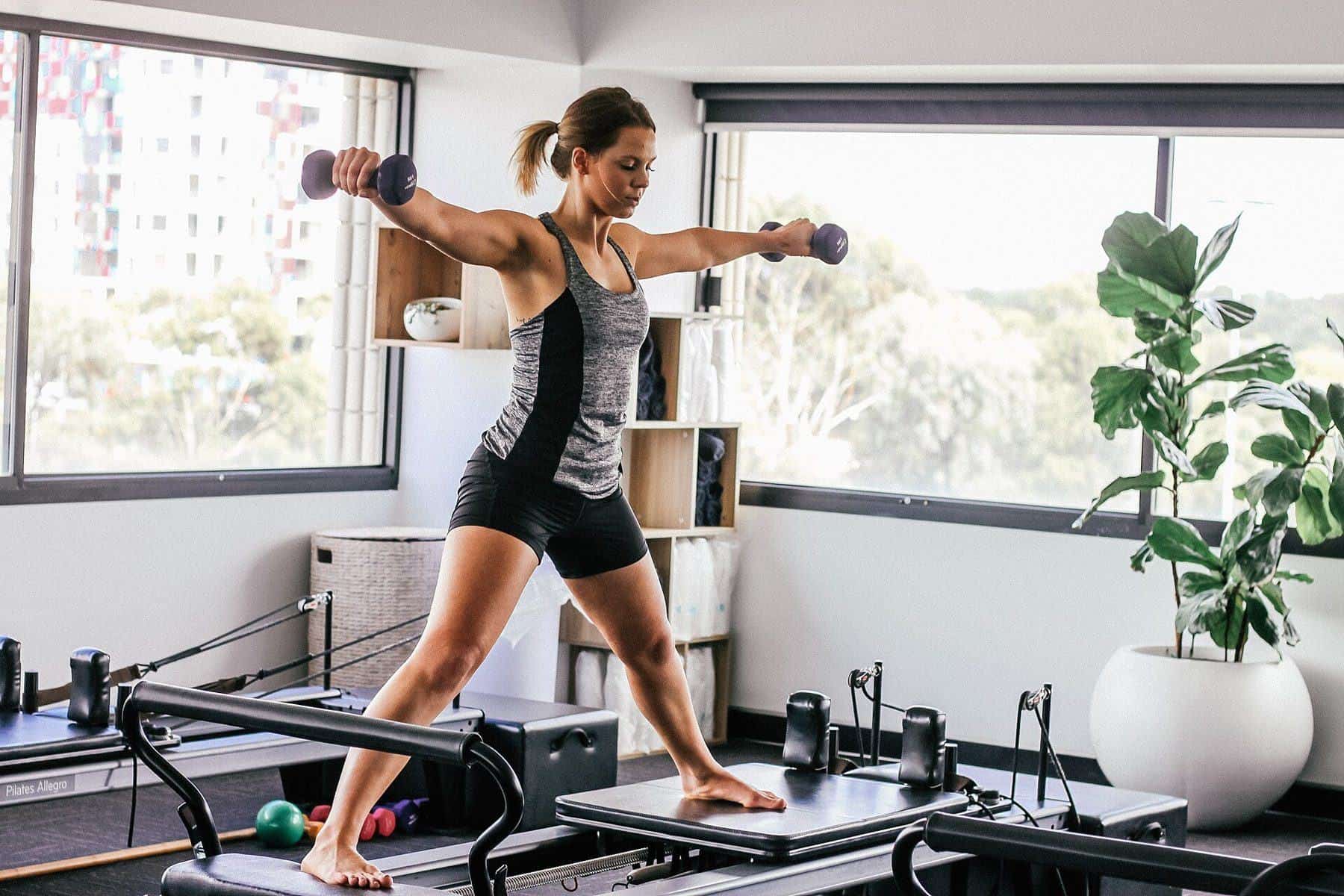
The reformer is a bed-like frame with a padded carriage that slides along rails, attached to springs of different tensions. A footbar, shoulder blocks and long straps with handles let you push and pull against the springs from lying, sitting, kneeling and standing positions.
Because the springs can either help or resist, the reformer is very adaptable. A beginner can be supported through a movement they could not yet do on the mat, while an experienced student can be made to work hard. Group reformer classes are now common in Australian studios, alongside private and small-group sessions. Read the reformer Pilates guide.
Clinical Pilates
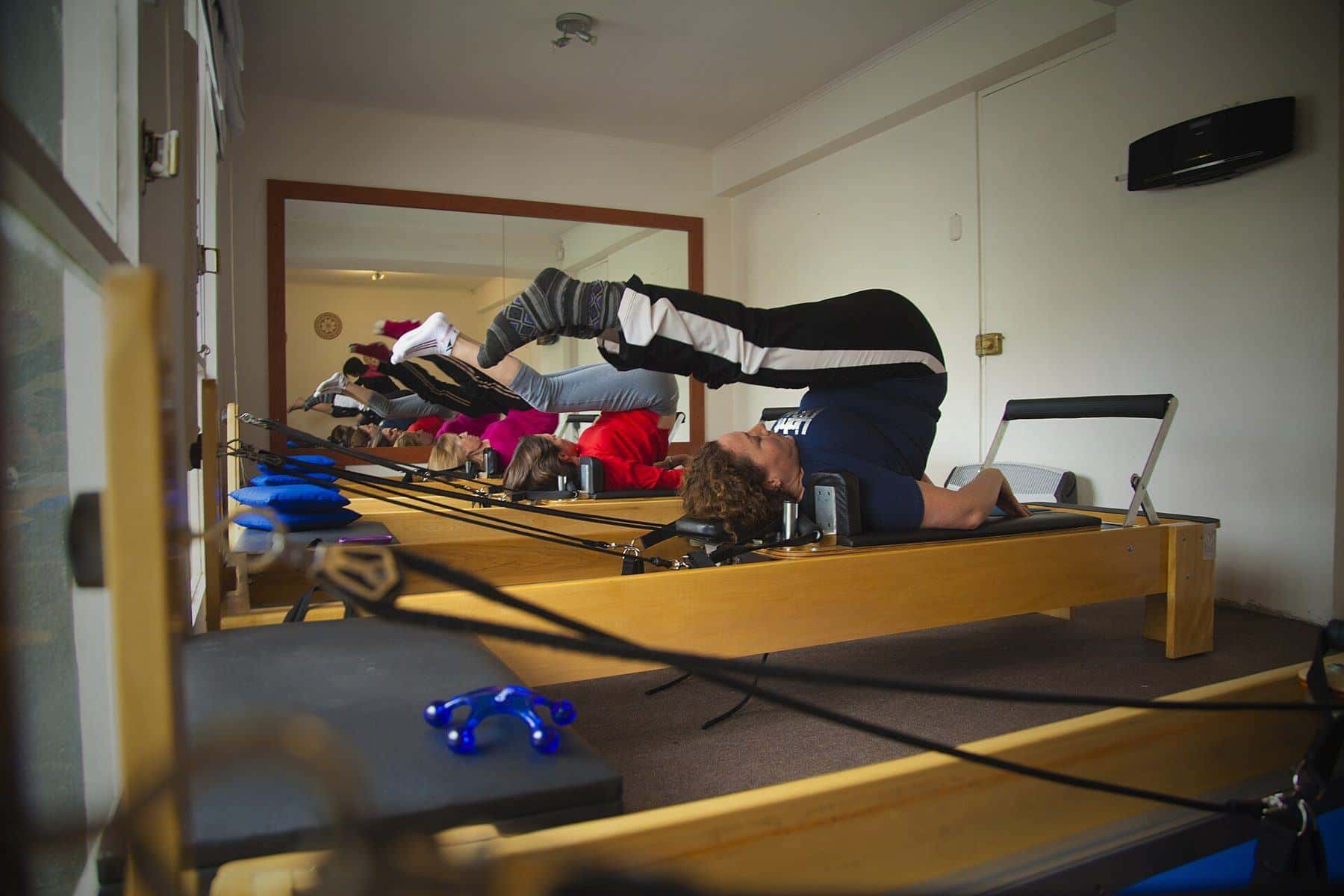
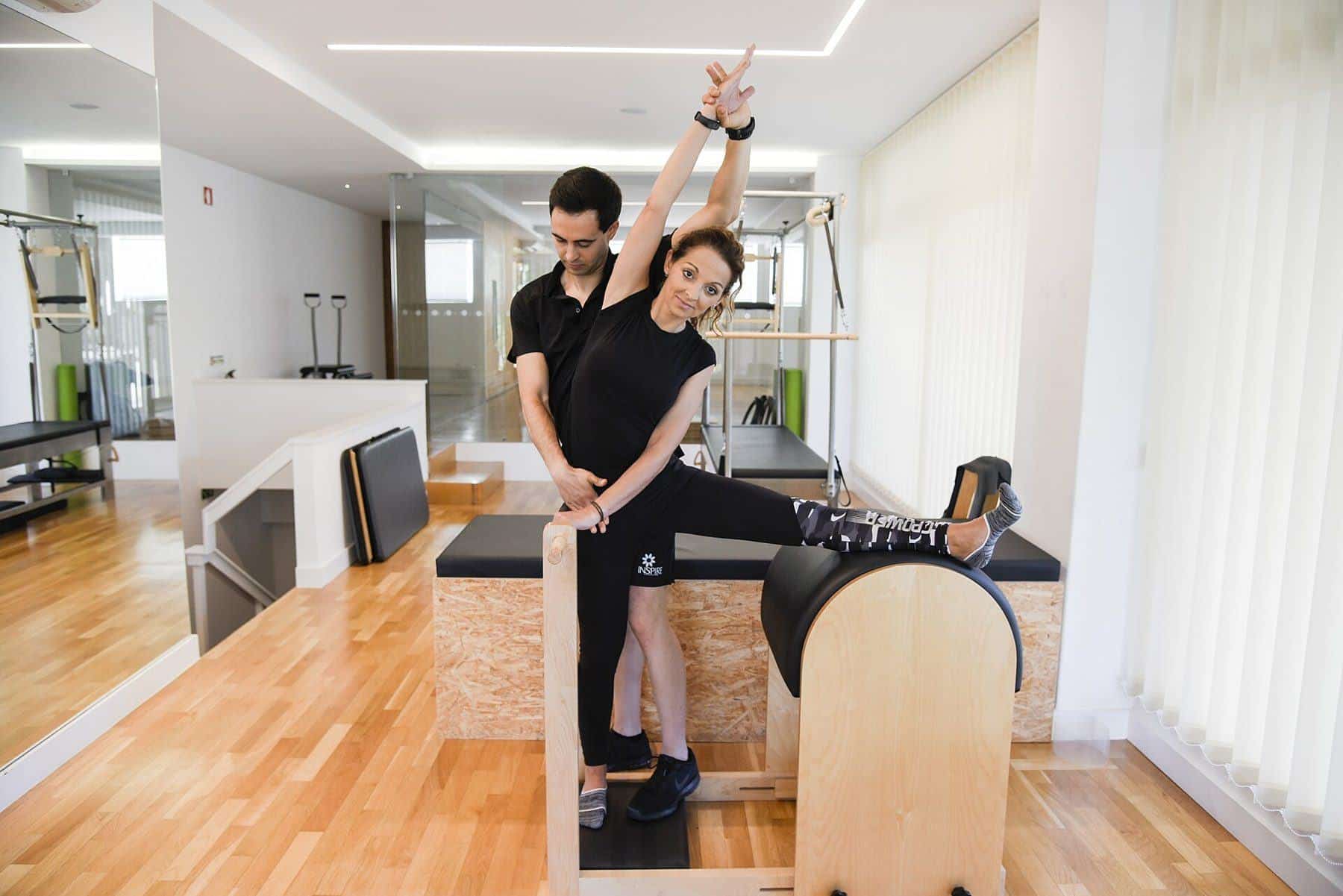
Clinical Pilates is not a different set of exercises so much as a different context. It is delivered by physiotherapists, exercise physiologists or other health professionals, usually after an individual assessment, and the exercises are chosen to address a specific injury, condition or goal. Sessions may be one-on-one or in small supervised groups using mats and apparatus.
Because it is delivered by a registered health professional, clinical Pilates may be claimable under some private health insurance extras policies as a physiotherapy service. Check with your insurer and provider. Read the clinical Pilates guide.
Pregnancy and postnatal Pilates
Pre and postnatal classes adapt exercises to the changes of pregnancy and to recovery after birth. Instructors avoid positions that are not recommended at particular stages, and may focus on breathing, pelvic floor awareness, posture and gentle strength. Always get clearance from your doctor or midwife first. Read the pregnancy Pilates guide.
Classical and contemporary
You may also see classes described as classical or contemporary. Classical Pilates aims to preserve the exercises, order and equipment specifications Joseph Pilates taught. Contemporary Pilates adapts the method with more recent exercise science, often modifying or adding exercises. Neither is "right"; they are simply different approaches, and both can be taught well or badly.
The apparatus
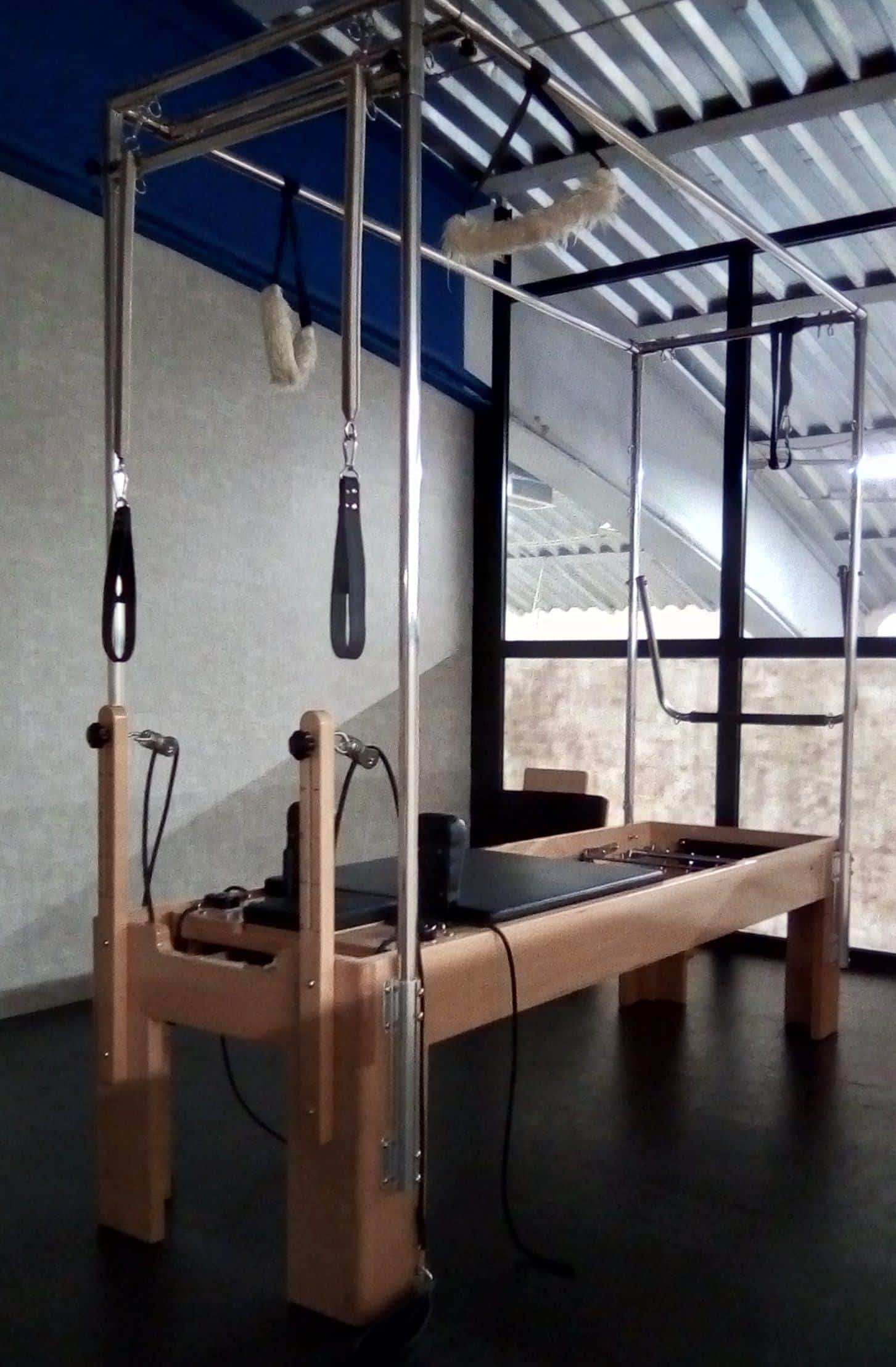
Besides the reformer, Joseph Pilates designed the Cadillac (or trapeze table), the Wunda Chair, the Ladder Barrel, the Spine Corrector and smaller items. Fully equipped studios use several of these. Our equipment guide explains what each piece does.
Comparing the styles
| Style | Setting | Equipment | Usually suits |
|---|---|---|---|
| Mat | Group class, gym or home | Mat and small props | Beginners, home practice, tight budgets |
| Reformer | Studio, group or private | Reformer | Variety, adjustable challenge |
| Clinical | Physio or allied health clinic | Mat and apparatus | Injury, pain, rehabilitation |
| Pregnancy | Studio or clinic | Mat and apparatus | Pregnancy and postnatal recovery |
How to choose
Start with your health. If you have an injury, pain, a recent operation or a medical condition, talk to your doctor or physiotherapist first; clinical Pilates may be the right entry point. If you are pregnant, choose a specialist class.
Then think about goals and budget. If you want an affordable, flexible routine you can continue at home, start with mat. If you want variety and an adjustable challenge in a social setting, try a beginner reformer class. Whatever you choose, a foundations or beginner class is worth it: learning the principles properly makes every later class more effective.
Guides in this section
Guides in this section
Pilates styles
Reformer Pilates explained
What reformer Pilates is, how the springs, carriage, footbar and straps work, what a group class involves, beginner tips and how it compares with mat Pilates.
Read · 4 min
Pilates styles
Mat Pilates explained
What mat Pilates is, classic exercises such as the hundred and roll-up, props used in mat classes, how it compares with reformer and tips for beginners.
Read · 4 min
Pilates styles
Clinical Pilates explained
What clinical Pilates is, who delivers it, what happens in an assessment, how it differs from studio Pilates, what the evidence says and health insurance.
Read · 3 min
Pilates styles
Pregnancy and postnatal Pilates
Pilates during pregnancy and after birth: getting clearance, how classes are adapted by trimester, warning signs to stop, returning after birth and choosing a class.
Read · 4 min
Pilates styles
Pilates equipment explained
Pilates apparatus explained: the reformer, Cadillac or trapeze table, Wunda Chair, Ladder Barrel, Spine Corrector and small props.
Read · 3 min
Frequently asked questions
What is the difference between classical and contemporary Pilates?
Classical Pilates aims to preserve the exercises and order taught by Joseph Pilates. Contemporary or modern Pilates adapts the method using more recent exercise science, and often modifies exercises or adds new ones.
Is reformer Pilates harder than mat Pilates?
Not necessarily. The reformer's springs can make exercises easier by supporting you or harder by adding resistance. Mat work relies on body weight alone, and many instructors consider advanced mat work very demanding.
What is clinical Pilates?
Clinical Pilates is Pilates-based exercise delivered by a physiotherapist or other qualified health professional, usually after an assessment and tailored to an injury or condition.
Can I do Pilates while pregnant?
Many people do, with modifications. Get clearance from your doctor or midwife first and choose an instructor trained in pregnancy exercise.
What style of Pilates burns the most energy?
Pilates is generally moderate-intensity exercise. Faster-paced reformer or "dynamic" classes may raise your heart rate more, but if your main goal is cardiovascular fitness, combine Pilates with aerobic activity.
Do I need special clothing?
Wear comfortable, fitted clothing that lets the instructor see your alignment. Many studios require grip socks on the equipment.
Sources and further reading
Facts on this page were checked against these primary and official sources. Conditions change — confirm before you travel or buy.
- Pilates — Wikipedia
- Back pain — healthdirect Australia
- Physical activity and exercise guidelines for all Australians — Australian Government Department of Health