Pregnancy changes almost everything about how your body moves: your centre of gravity, your joints, your breathing and your energy levels. For many people, staying active during pregnancy is encouraged, and Australia's physical activity guidelines include specific advice for pregnant women. Pilates, adapted appropriately, is one way some people choose to stay active. This guide explains the basics, but your doctor or midwife is the authority on what is right for you.
Why people choose Pilates in pregnancy
People are often drawn to pregnancy Pilates because it is low impact, can be adapted as the pregnancy progresses, and focuses on breathing, posture and body awareness. Classes can also be a chance to meet other expectant parents. We do not make specific health claims for Pilates in pregnancy; the general benefits of staying active in pregnancy are described by Australian health authorities.
How classes are adapted
Instructors trained in pregnancy exercise adapt classes in several ways:
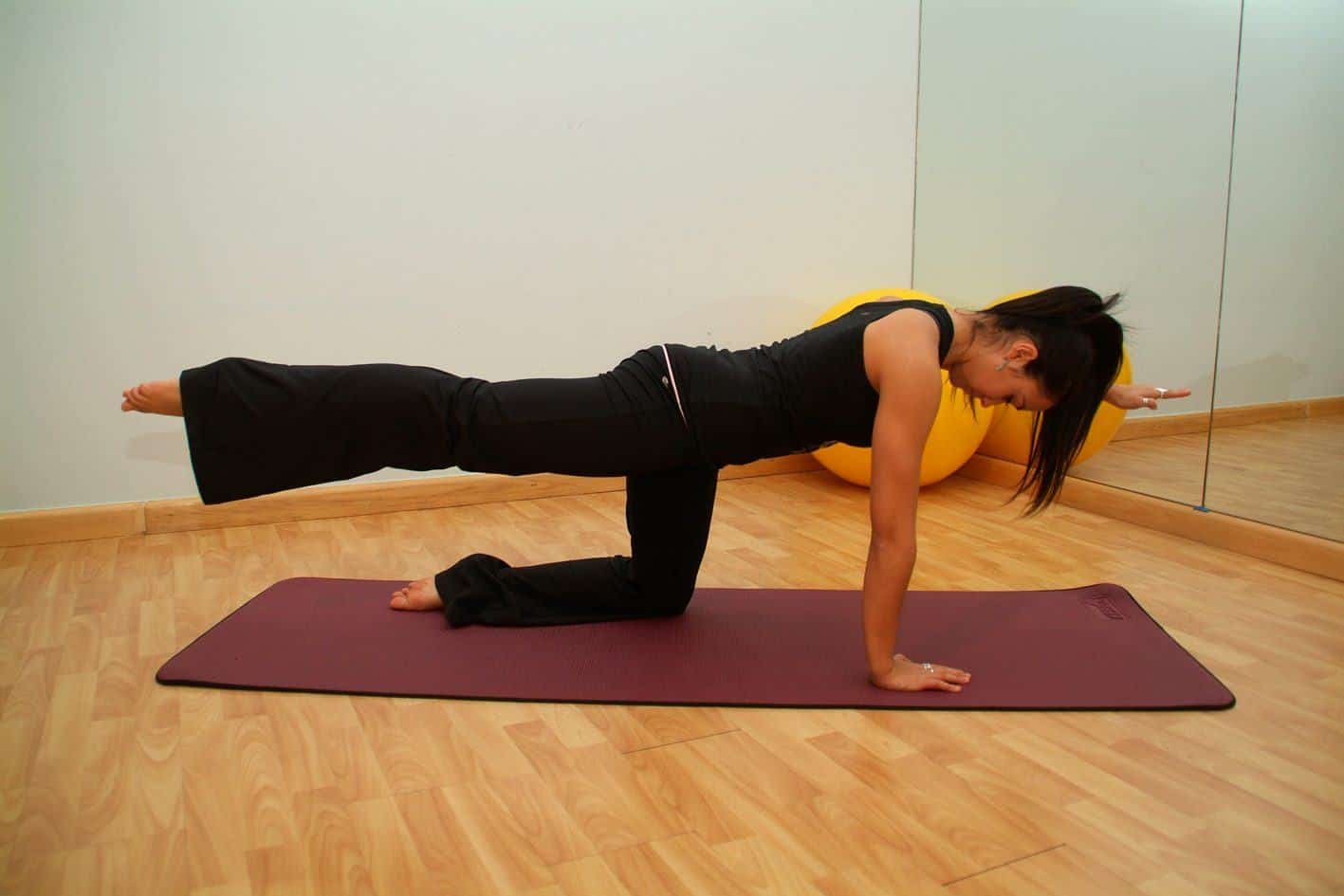
- Positions. Later in pregnancy, prolonged lying flat on the back is commonly avoided, and exercises are done side-lying, seated, kneeling, standing or propped up on a wedge.
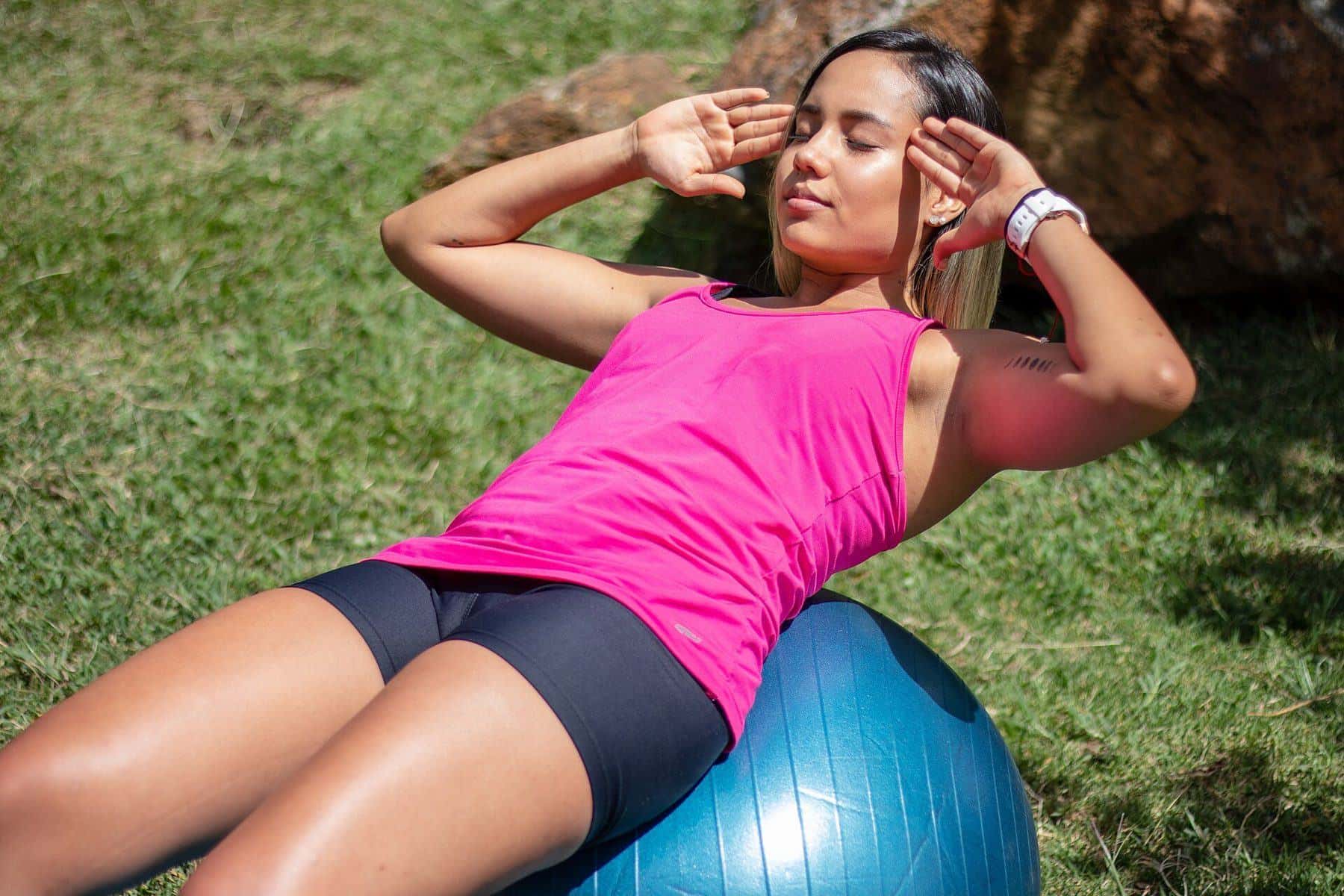
- Abdominal work. Strong curl-ups and twisting exercises are usually replaced with gentle deep abdominal and breathing work.
- Balance. Standing exercises use support, as balance changes with a growing bump.
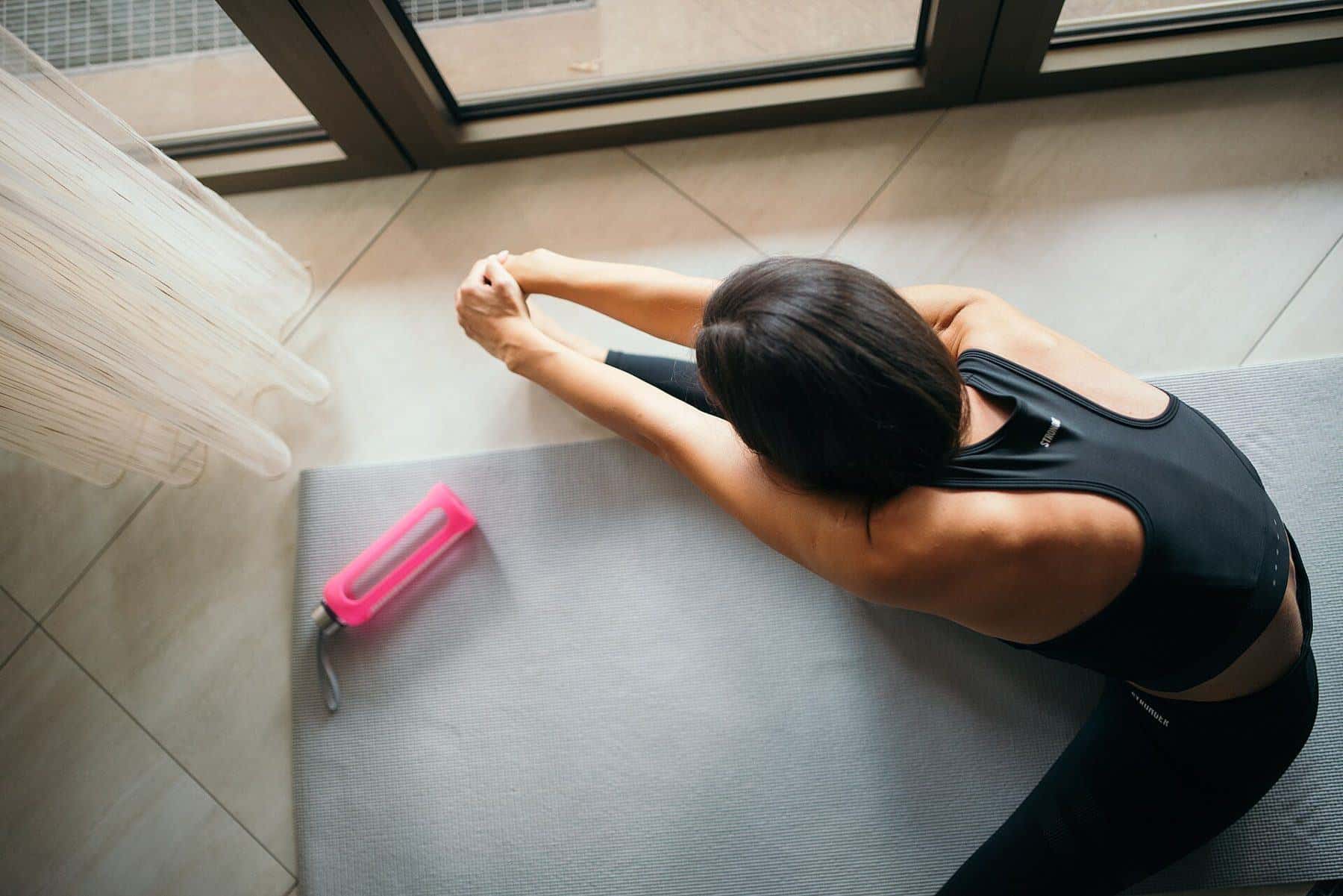
- Range and intensity. Hormonal changes can make joints feel looser, so instructors may keep stretches within a comfortable range. You should be able to talk while exercising.
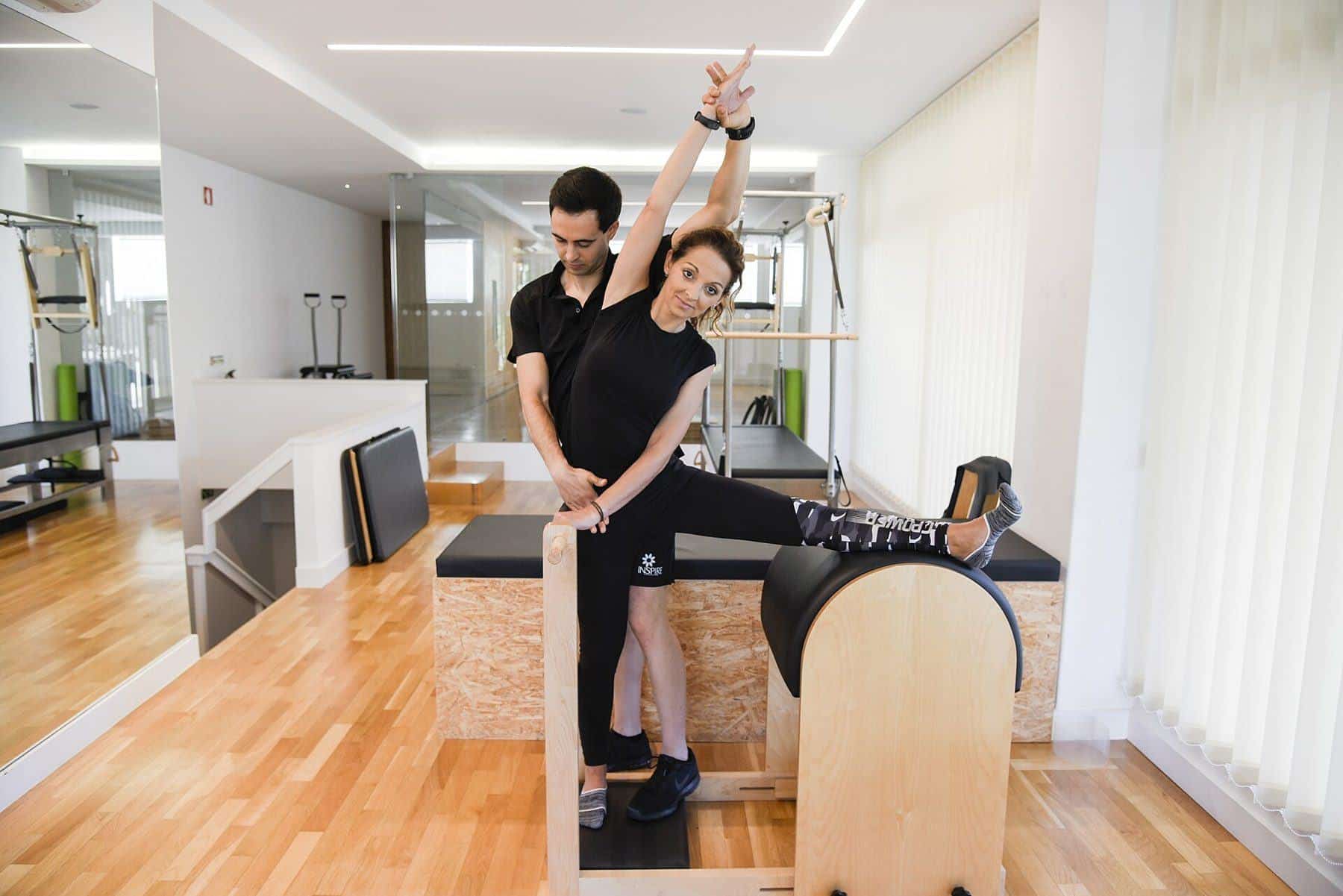
- Equipment. Reformer springs and positions are chosen with care, and getting on and off apparatus is done slowly.
Warning signs: stop and seek advice
Stop exercising and contact your doctor, midwife or maternity unit if you experience:
- vaginal bleeding or fluid leaking;
- chest pain, dizziness, feeling faint or unusual shortness of breath;
- headache, or pain or swelling in the calf;
- regular painful contractions;
- reduced movements of the baby;
- abdominal, pelvic or back pain that does not settle.
If in doubt, call your maternity unit. In an emergency, call 000.
Through the trimesters
First trimester. Fatigue and nausea are common. Gentle sessions, plenty of fluids and flexibility about missing classes help. Tell your instructor you are pregnant, even if it is early.
Second trimester. Many people feel more energetic. Classes typically shift away from lying flat on the back and away from strong abdominal curls.
Third trimester. Sessions often become gentler, with more focus on breathing, posture and comfortable positions. Rest when you need to.
After birth
Recovery after birth takes time, whatever kind of birth you had. Many people are advised to wait until their postnatal check before returning to structured exercise, and to start gently. A women's health or pelvic health physiotherapist can assess your pelvic floor and abdominal muscles, including any abdominal separation (diastasis recti), and advise on a safe return to Pilates. After a caesarean, recovery from abdominal surgery adds further considerations.
Signs you may need to slow down include leaking urine, a feeling of heaviness or dragging in the pelvis, pain, or a doming of the abdomen during exercise. These are common and treatable, so talk to a physiotherapist.
Before a pregnancy or postnatal class
0 of 7 done
Ticks are saved in this browser only.
Choosing a class or instructor
Look for:
- an instructor with specific pre and postnatal training, in addition to Pilates certification;
- small classes or private sessions, so the instructor can adapt for you;
- willingness to work with your doctor, midwife or physiotherapist;
- a studio or clinic that asks about your pregnancy and health before you start.
Clinical Pilates with a women's health physiotherapist is a good option if you have pelvic floor symptoms, pain, a complicated pregnancy or a difficult recovery. See our clinical Pilates guide.
At home
Some people practise at home using pregnancy-specific programs from qualified instructors. Keep sessions gentle, have water nearby, use cushions for support and stop if anything feels wrong. Avoid starting new or advanced exercises without guidance.
Pelvic floor awareness
Many classes include pelvic floor exercises. Continence Health Australia has information on finding and training these muscles. If you are not sure you are doing them correctly, or you have symptoms, a pelvic health physiotherapist can help.
Listening to your body
Pregnancy and early parenthood bring days of low energy, broken sleep and changing priorities. Some weeks you will manage several classes; others, a short walk will be enough. Both are fine. Gentle, regular movement that you enjoy matters more than following any fixed plan, and your health professional can help you adjust as things change.
Frequently asked questions
Is it safe to start Pilates while pregnant?
For many people with an uncomplicated pregnancy, starting gentle, supervised exercise is fine, but you should get clearance from your doctor or midwife first and choose an instructor trained in pregnancy exercise.
Which exercises should I avoid when pregnant?
Your instructor and health professional will guide you. Commonly, people avoid lying flat on their back for long periods later in pregnancy, contact or fall risks, and exercises that cause pain, strain or bulging of the abdomen.
When can I return to Pilates after giving birth?
It depends on your birth and recovery. Many people are advised to wait until their postnatal check with their doctor or midwife. A women's health physiotherapist can assess your pelvic floor and abdominal muscles.
What is abdominal separation?
Abdominal separation, or diastasis recti, is a widening of the gap between the two sides of the abdominal muscles. It is common during and after pregnancy. A physiotherapist can assess it and advise on exercise.
Can Pilates help my pelvic floor?
Pilates classes often include pelvic floor awareness, but pelvic floor problems are best assessed by a women's health or pelvic health physiotherapist.
Is reformer Pilates OK in pregnancy?
Some pregnant people continue reformer classes with modifications. Choose a pregnancy-specific or private session with a suitably trained instructor, and follow your health professional's advice.
Sources and further reading
Facts on this page were checked against these primary and official sources. Conditions change — confirm before you travel or buy.
- Exercise during pregnancy — Pregnancy, Birth and Baby (Australian Government)
- Physical activity and exercise guidelines for all Australians — Australian Government Department of Health
- Pelvic floor exercises for women — Continence Health Australia