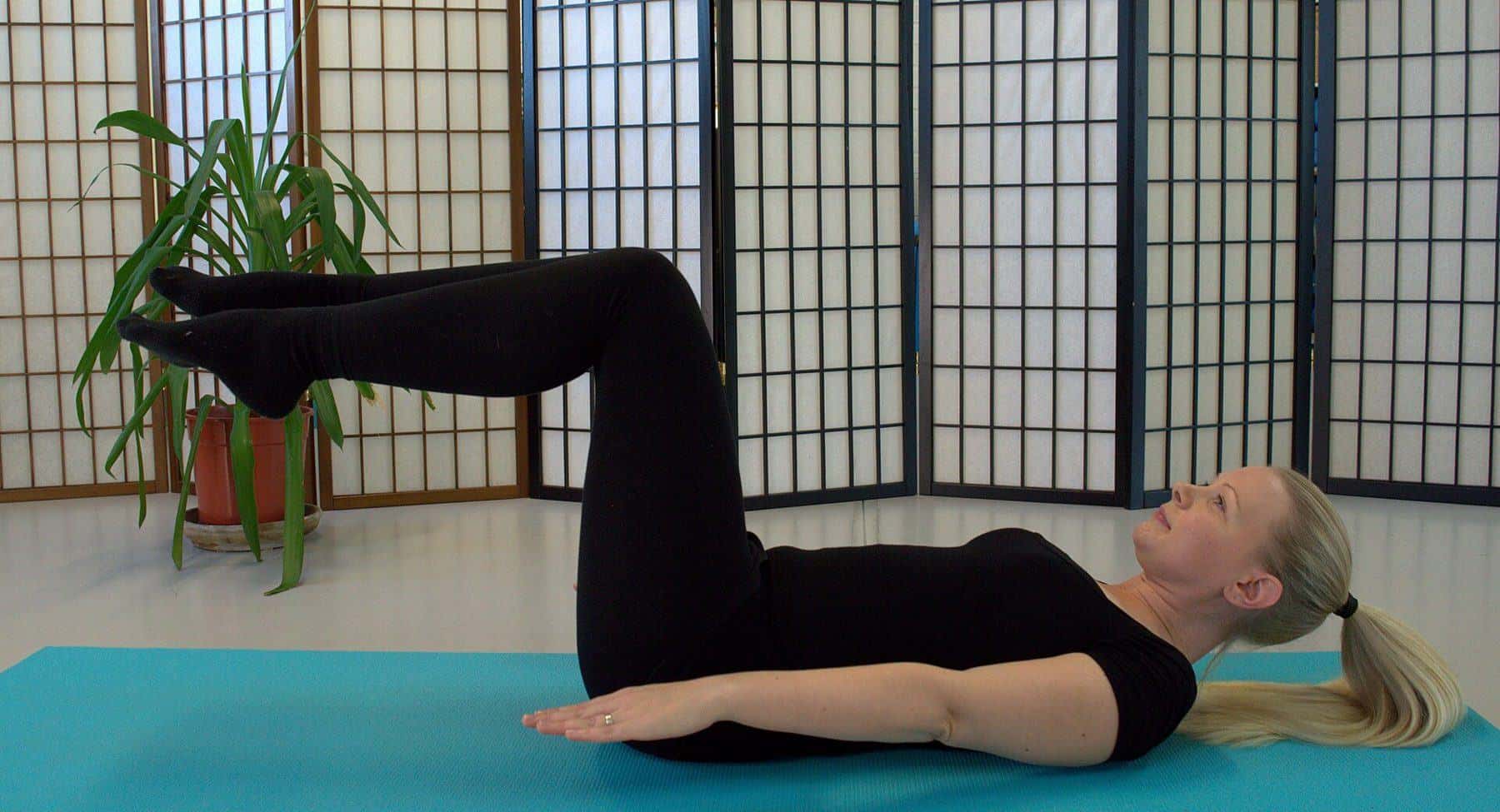
Starting Pilates is easier than it looks. You do not need to be flexible, strong or "core-fit" first; the method is designed to build those things gradually. What you do need is a good instructor, a little patience and a willingness to slow down. Pilates rewards precision more than effort.
Before your first class
0 of 7 done
Ticks are saved in this browser only.
The principles behind the method
Most Pilates teaching draws on a set of principles, often listed as up to nine. Different schools name them differently, but you will commonly hear about:
- Breathing. Coordinating the breath with movement, often breathing out on the effort.
- Concentration. Paying attention to how you move, rather than going through the motions.
- Control. Moving deliberately, with no flinging or momentum.
- Centring. Organising movement from a stable trunk, which Joseph Pilates called the "powerhouse".
- Precision. Doing fewer repetitions well rather than many badly.
- Flow. Linking movements smoothly once the basics are secure.
These ideas explain why Pilates classes can feel slow at first. The aim is quality.
Your first class
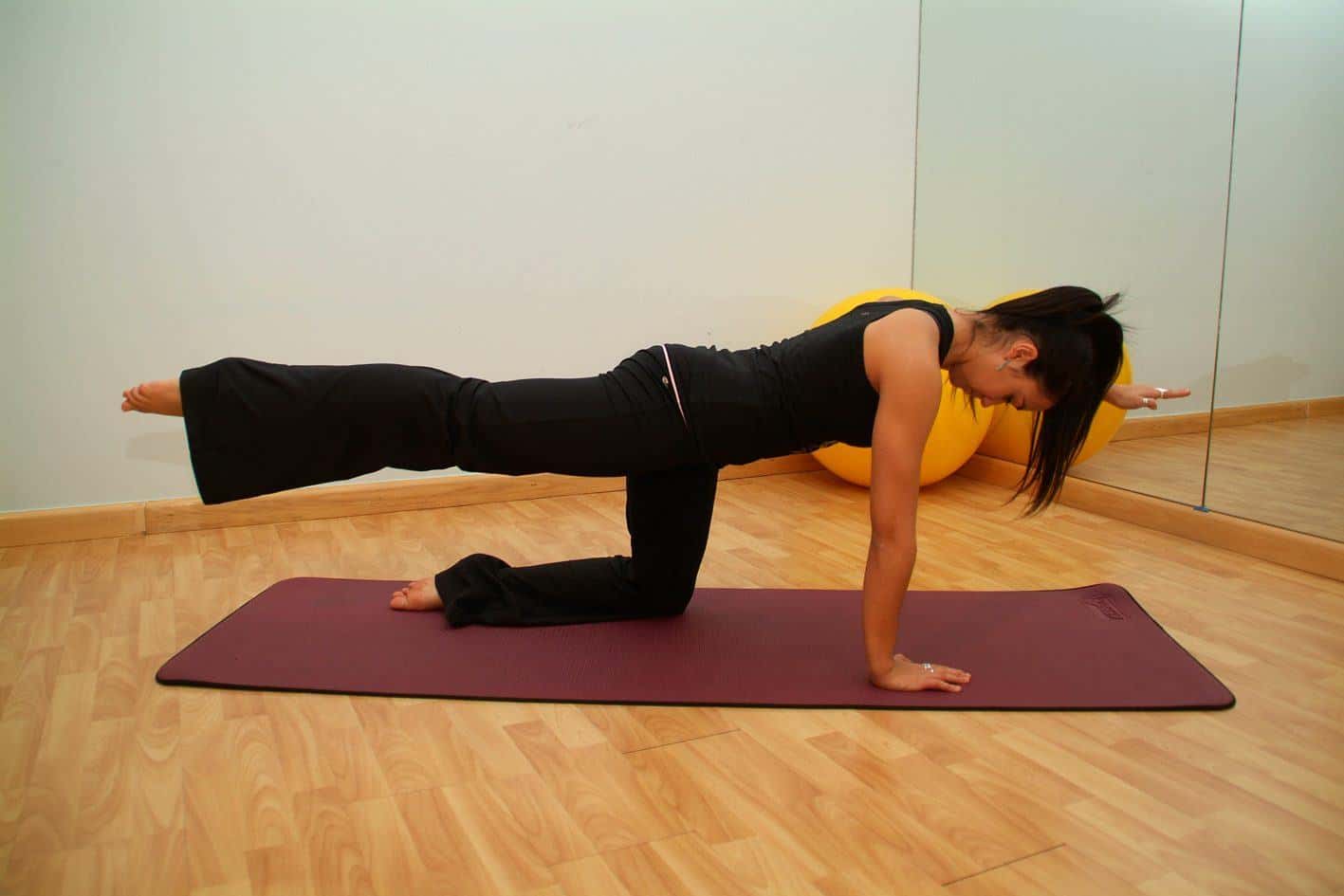
A beginner class usually starts with breathing and finding a neutral spine and pelvis, then moves through simple exercises lying on your back, on your side, on all fours and seated. On the reformer, the instructor will show you how to get on and off safely, set the springs and use the footbar and straps. Read our first-class guide.
How often should you go?
Consistency matters more than frequency. Many people attend two or three times a week; even one regular class plus a short home routine helps you learn the method. Australia's physical activity guidelines recommend that adults do muscle-strengthening activities on at least two days a week, alongside 150 to 300 minutes of moderate or 75 to 150 minutes of vigorous aerobic activity, or a combination, each week. Pilates can count towards the strength part; walking, cycling or swimming fill the aerobic part.
Practising at home
A home practice is the cheapest way to make progress between classes. You need a mat, a little floor space and a reliable program, ideally one taught by a qualified instructor. See Pilates at home.
Pilates or yoga?
People often ask which is better. They overlap, and some poses look similar, but Pilates generally emphasises core strength and control, while yoga places more emphasis on flexibility and, in many classes, on breathing and meditation traditions. Many people do both. Read Pilates versus yoga.
Where Pilates came from
Joseph Pilates was born in Mönchengladbach, Germany, in 1883. He developed his method, which he called Contrology, while interned in Britain during World War I, and later taught it in New York with his wife Clara. Dancers were among his earliest devoted students. Read the history of Pilates.
Common beginner mistakes
- Rushing. Faster is not better in Pilates. Slow down and control both directions of each movement.
- Holding your breath. Keep breathing, even if you cannot yet follow the instructor's breathing pattern.
- Gripping. Many beginners clench the neck, jaw and shoulders. Let them soften.
- Pushing through pain. Discomfort from effort is normal; sharp or worsening pain is not. Stop and tell the instructor.
- Comparing yourself. Everyone's body is different. Modifications are not failures.
Setting goals
Think about why you are starting. Better posture at a desk job? Returning to exercise after a break? Supporting another sport? Clear goals help your instructor tailor exercises and help you notice progress. Review them every couple of months.
Guides in this section
Guides in this section
Getting started
Your first Pilates class
What to expect at your first Pilates class: booking, what to wear, grip socks, studio etiquette, how a beginner session runs, common terms and what to do afterwards.
Read · 3 min
Getting started
Pilates at home
How to practise Pilates at home: space and equipment, choosing online classes, a simple beginner routine structure, staying safe and combining home and studio work.
Read · 3 min
Getting started
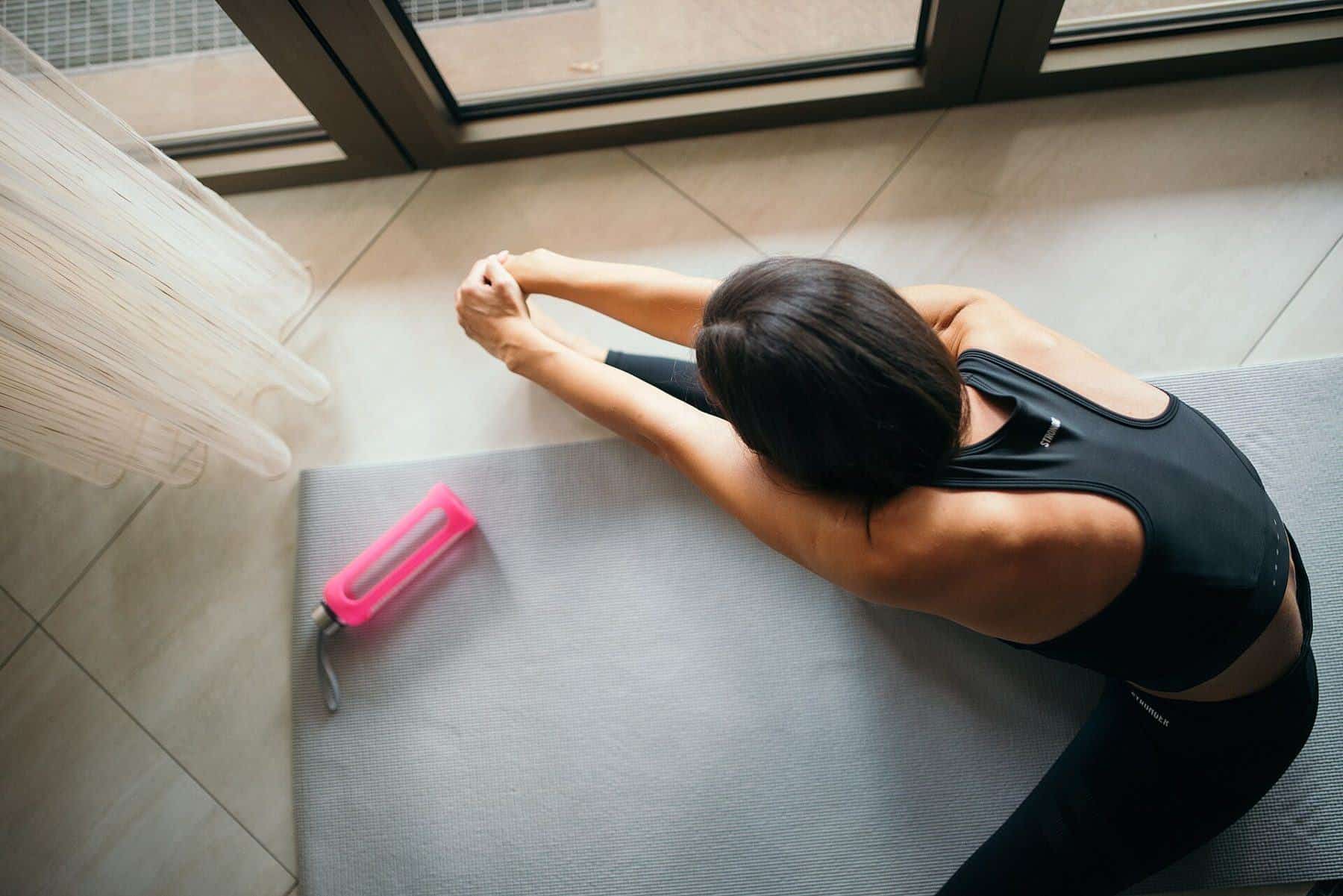
Pilates versus yoga
Pilates and yoga compared: origins, aims, breathing, typical classes, equipment and cost, similar poses, and how to choose or combine them.
Read · 3 min
Getting started
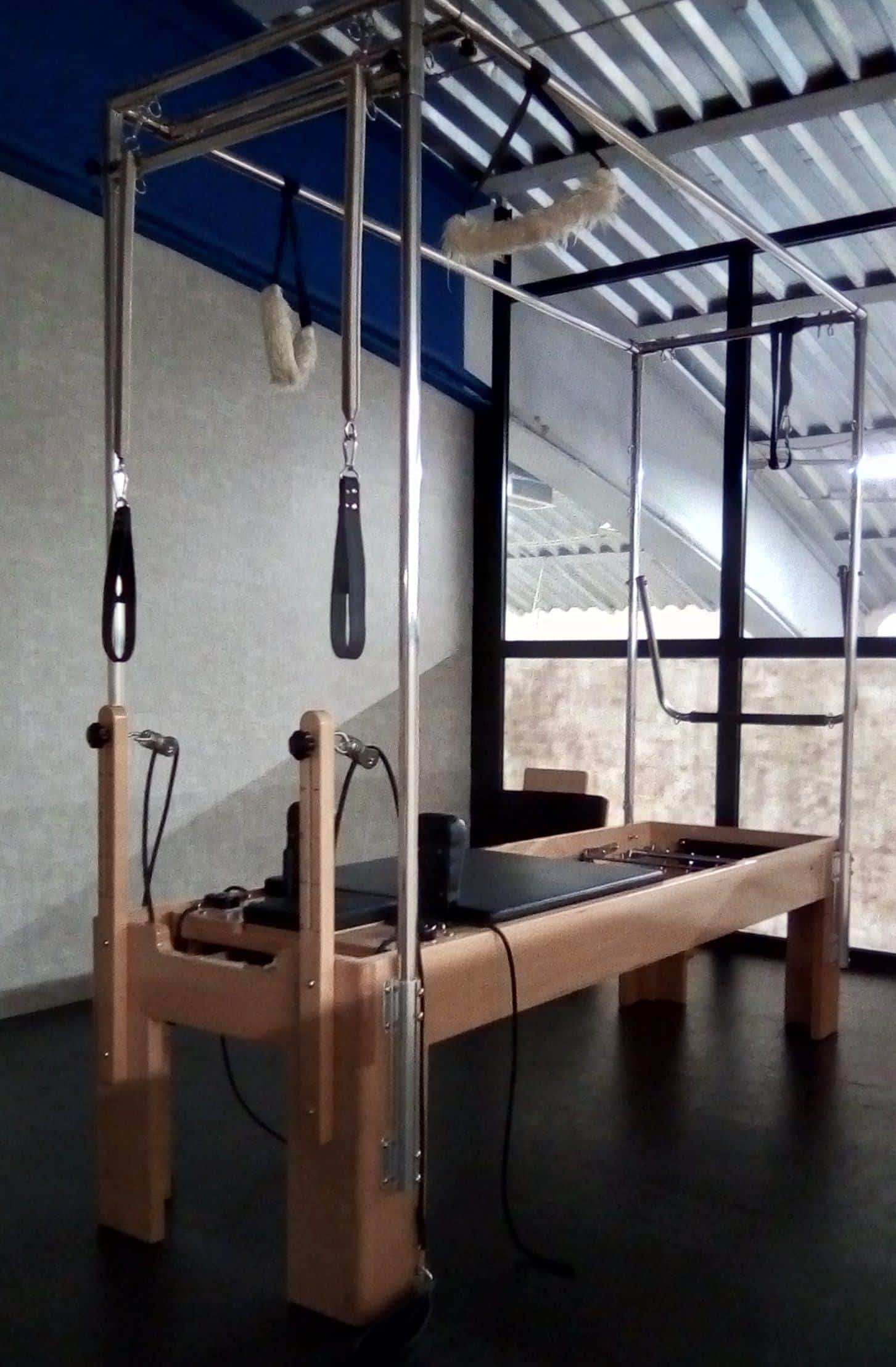
The history of Pilates
How Pilates began: Joseph Pilates' early life, WWI internment, Contrology, the New York studio with Clara, the first teachers and the method today.
Read · 4 min
Frequently asked questions
Do I need to be fit or flexible to start Pilates?
No. Beginner classes are designed for people starting from scratch, and exercises can be modified for different levels of strength and flexibility.
How long until I notice a difference?
It varies from person to person. Many people feel more aware of their posture and breathing within a few sessions, while strength and flexibility build gradually with regular practice.
Should I do Pilates every day?
You can, but you do not have to. Two or three sessions a week is a common routine. Vary the intensity and include other activity such as walking, cycling or swimming.
What should I bring to my first class?
Comfortable fitted clothing, water, and grip socks if the studio requires them. Many studios supply mats, but check in advance.
Is Pilates a good workout on its own?
Pilates builds strength, flexibility and control, but it is usually moderate intensity. Australia's guidelines recommend combining muscle-strengthening activity with regular aerobic activity.
Can older people do Pilates?
Yes. Pilates can be adapted for older adults, and some studios run seniors classes. If you have health conditions, check with your doctor first.
Sources and further reading
Facts on this page were checked against these primary and official sources. Conditions change — confirm before you travel or buy.
- Physical activity and exercise guidelines for all Australians — Australian Government Department of Health
- Back pain — healthdirect Australia
- Joseph Pilates — Wikipedia