"Should I do Pilates or yoga?" is one of the most common questions newcomers ask. Both are low-impact, mind-body forms of exercise. Both use mats, both pay close attention to breathing and alignment, and some movements are almost identical. Yet a typical Pilates class and a typical yoga class feel quite different. Here is how they compare.
Different origins
Yoga has roots in ancient Indian philosophy and practice stretching back thousands of years. Modern postural yoga, the form most people encounter in Australian studios and gyms, developed largely in the twentieth century, blending traditional practices with other influences.
Pilates is much younger. It was developed by Joseph Pilates, born in Germany in 1883, in the first half of the twentieth century. He called it Contrology and drew on gymnastics, body-building, martial arts and the physical culture of his time. See our history of Pilates.
Different emphases
Both disciplines build strength, flexibility and body awareness. Broadly:
- Pilates emphasises core strength, control, precision and alignment, with movement organised from a stable trunk.
- Yoga often places more emphasis on flexibility and holding postures, and many classes include breathing practices, relaxation and meditation drawn from yoga's traditions.
These are generalisations. A strong vinyasa yoga class can be very demanding of strength, and a Pilates stretch class can be very gentle.
Similar movements
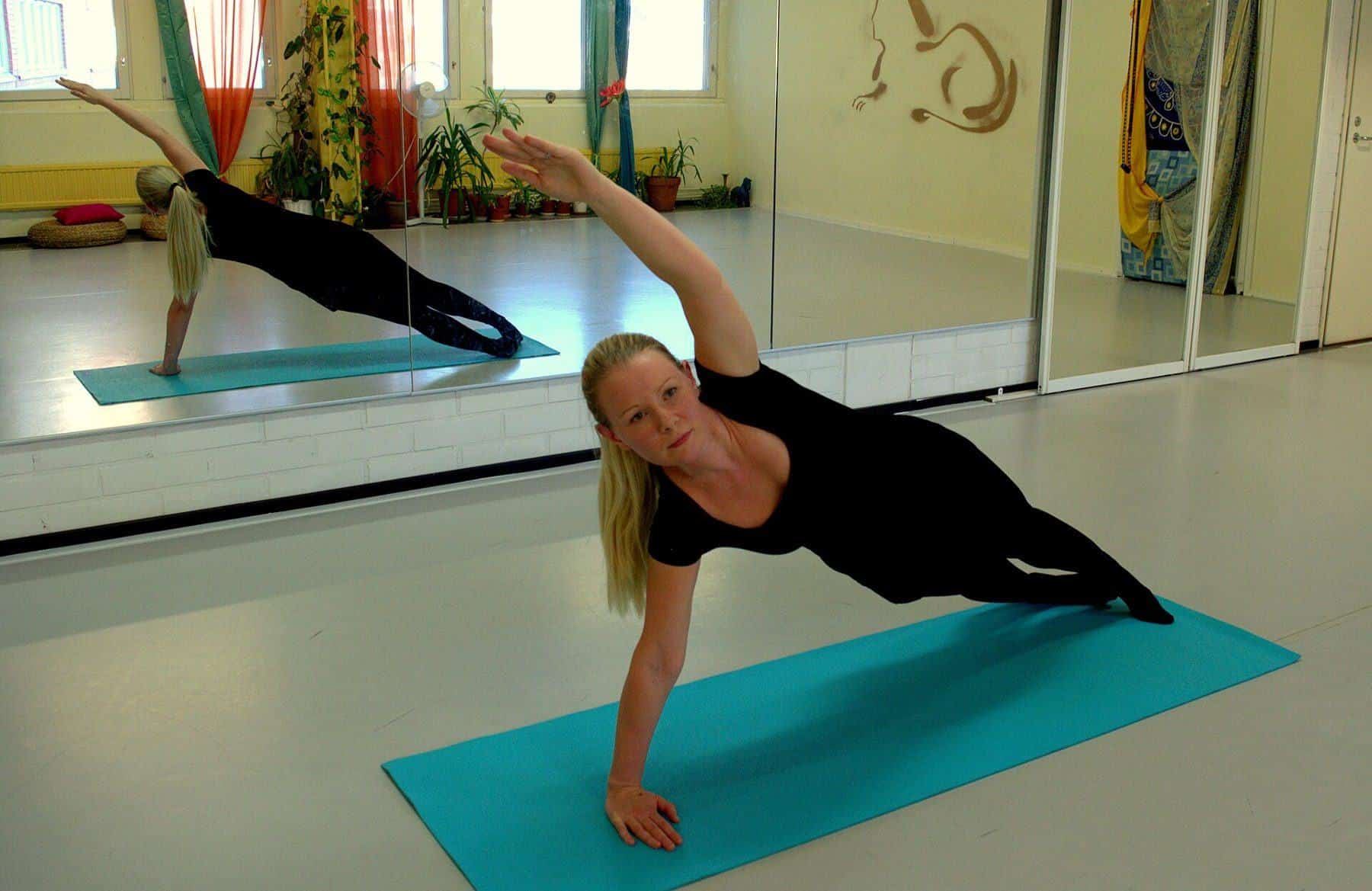
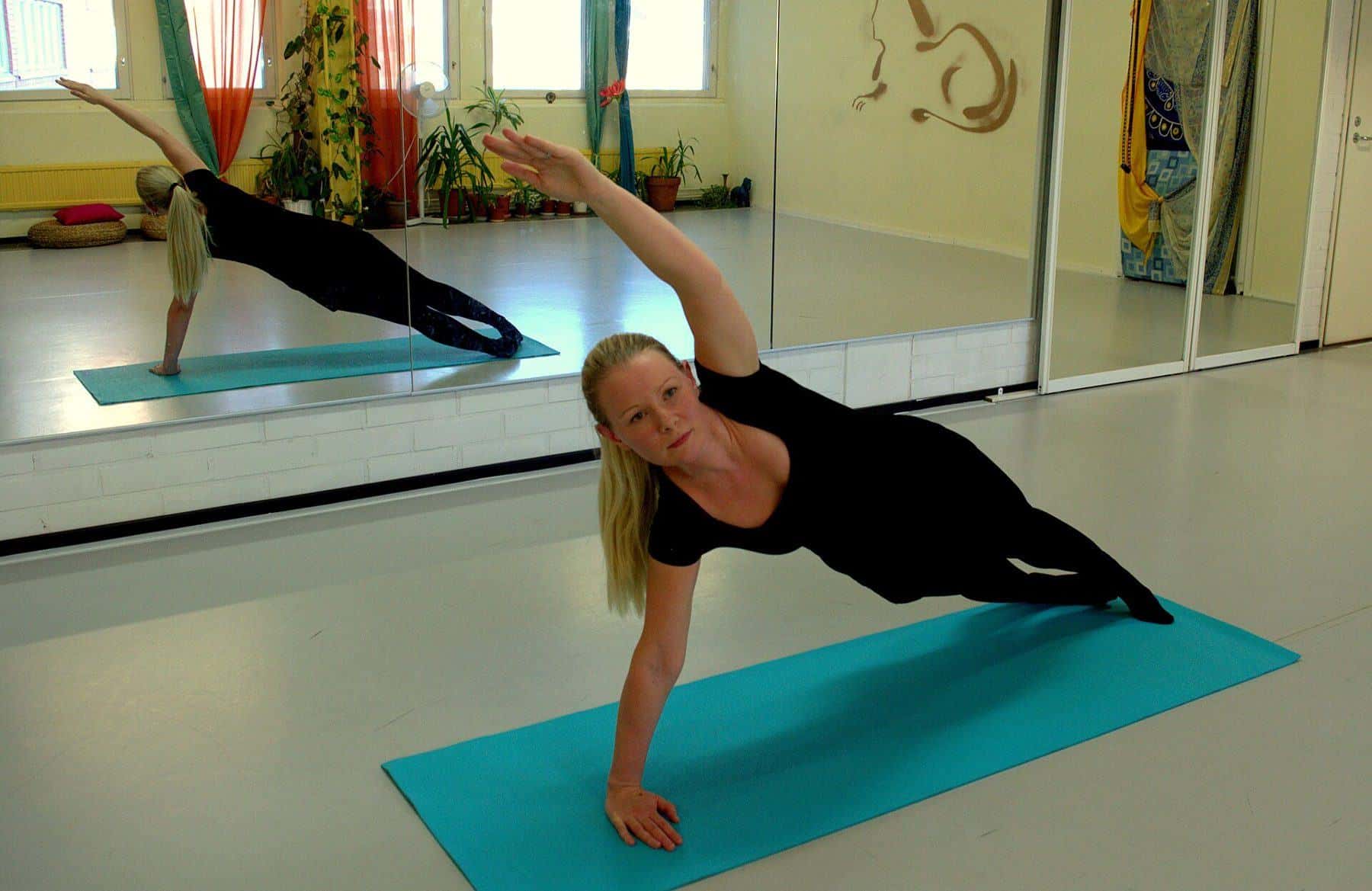
Some Pilates exercises closely resemble yoga postures:
| Pilates exercise | Similar yoga posture |
|---|---|
| Open leg balance / teaser | Boat pose (Navasana) |
| Roll over | Plough pose (Halasana) |
| Swan | Cobra pose (Bhujangasana) |
| Push-up | Low plank (Chaturanga Dandasana) |
The difference is often in how they are performed. Pilates tends to move through positions with control and repetition; many yoga styles hold postures for several breaths.
Breathing
Pilates commonly teaches lateral or rib breathing, expanding the sides and back of the ribcage, often breathing out during the effort of a movement. Yoga uses a range of breathing practices (pranayama), and many styles emphasise slow breathing through the nose. Both encourage you never to hold your breath.
Classes and equipment
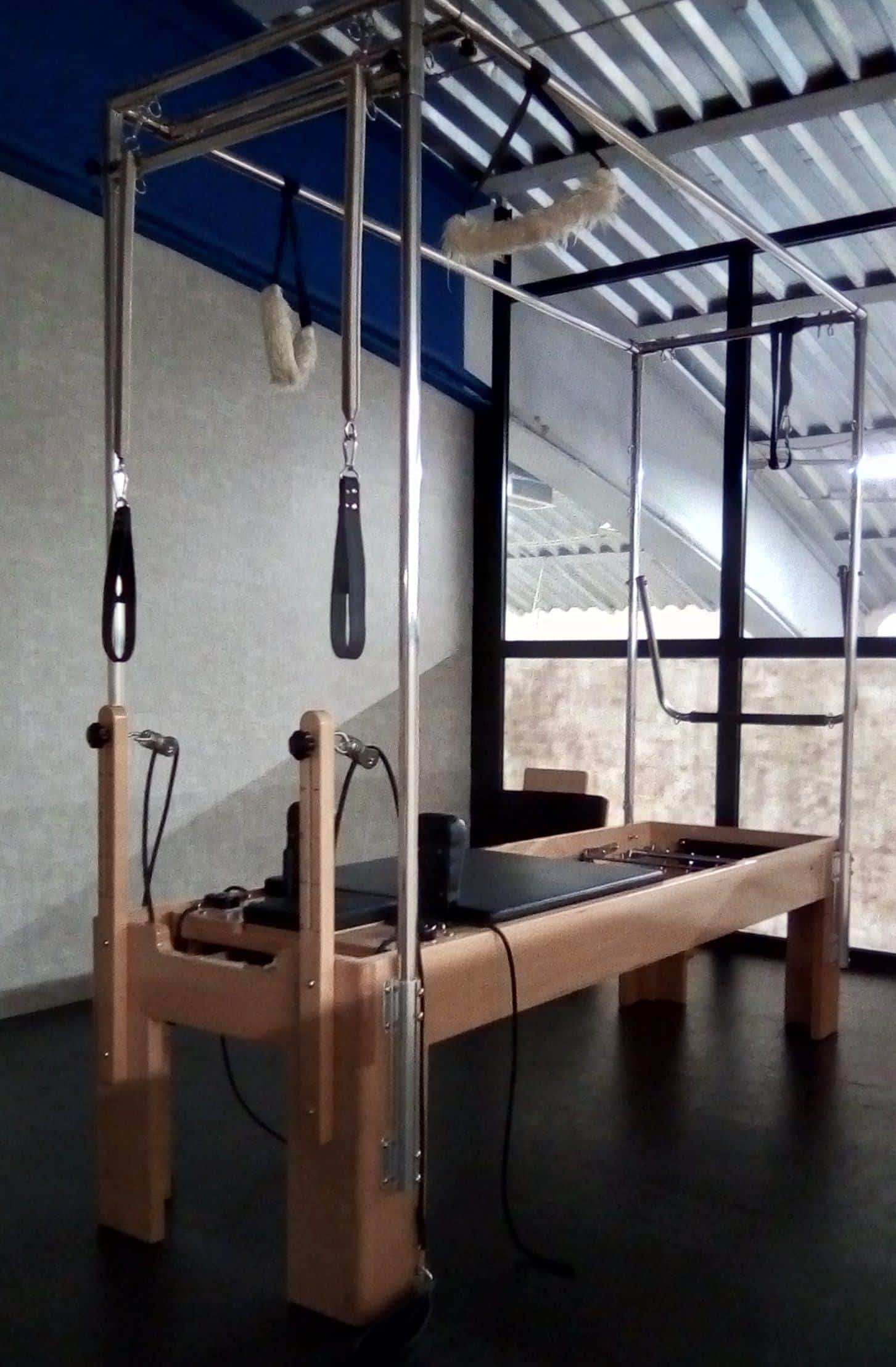
Pilates can be practised on the mat or on apparatus such as the reformer. Studio reformer classes need specialised equipment, which usually makes them more expensive than mat classes.
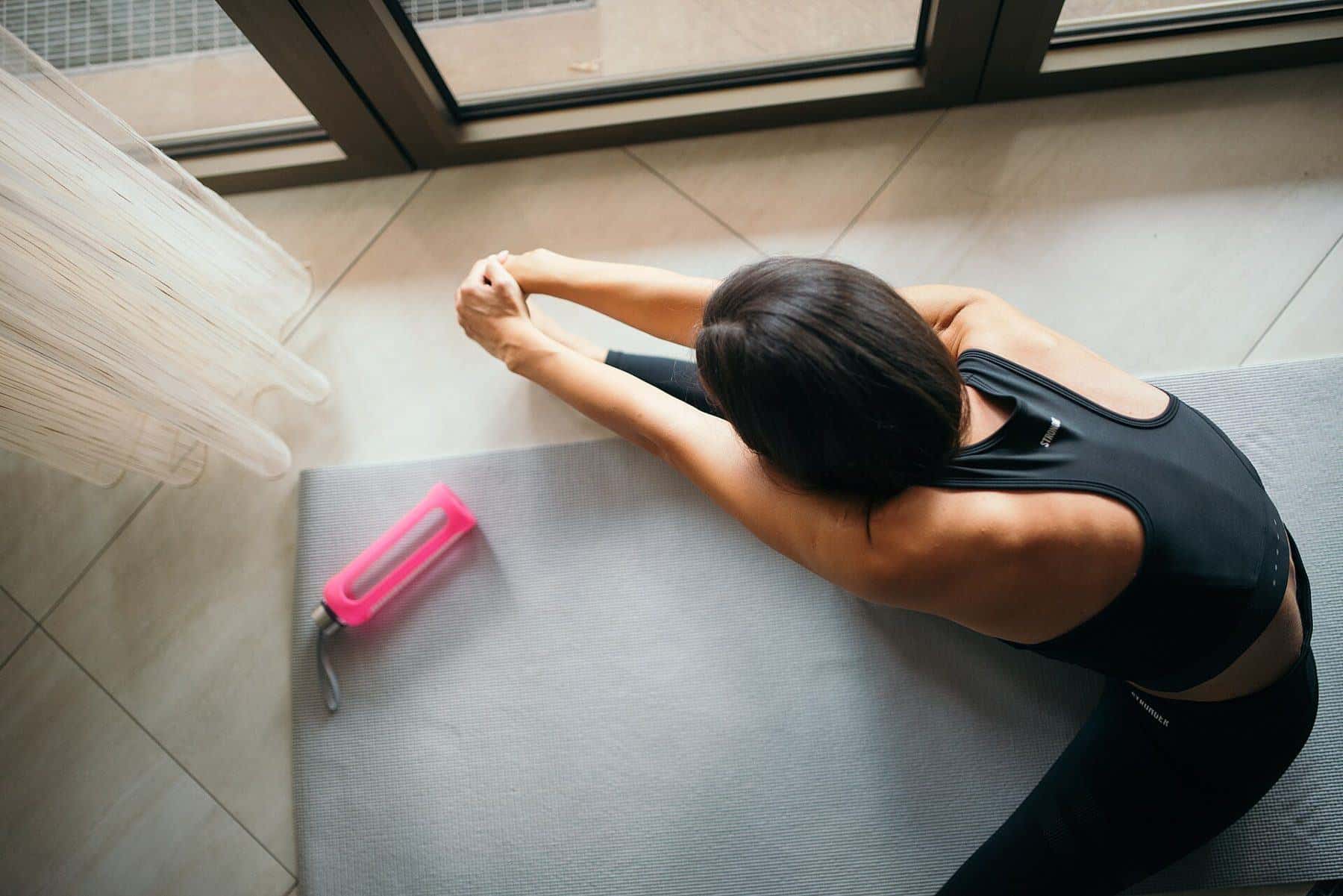
Yoga is almost always mat-based, with props such as blocks, straps, bolsters and blankets. Styles vary widely: gentle hatha, flowing vinyasa, precise Iyengar, slow yin, restorative and heated classes.
Comparing at a glance
| Pilates | Yoga | |
|---|---|---|
| Origin | Early twentieth century, Joseph Pilates | Ancient Indian traditions; modern postural yoga twentieth century |
| Emphasis | Core strength, control, alignment | Flexibility, postures, breath, often meditation |
| Equipment | Mat or apparatus | Mat and props |
| Typical pace | Controlled repetitions | Held postures or flowing sequences |
| Spiritual element | Generally none | Varies by class |
Which should you choose?
Ask yourself:
- What do you want from it? If you want to build trunk strength and control, Pilates may appeal. If you want to work on flexibility, relaxation or meditation, yoga may suit.
- What do you enjoy? The best exercise is the one you keep doing. Try a beginner class of each.
- What is available and affordable? Mat classes of both are often cheaper than reformer sessions.
- Do you have health considerations? If you have an injury, condition or are pregnant, talk to a health professional and look for appropriately trained instructors.
Doing both
Many people combine them: Pilates for strength and control, yoga for flexibility and relaxation. The skills transfer well. Pilates can improve body awareness in yoga postures, and yoga can deepen stretches that help in Pilates.
Where they fit in an active week
Both can count towards the muscle-strengthening part of Australia's physical activity guidelines, depending on the class. Neither is usually a substitute for aerobic exercise. Combine them with walking, cycling, swimming or other activity that raises your heart rate.
A note on the evidence
Both Pilates and yoga are studied for conditions such as low back pain. Overall, evidence suggests that exercise helps, and that no single type is clearly superior. If you are managing a health condition, choose an activity you enjoy and can do safely, with guidance from a health professional.
Trying each for the first time
If you are undecided, book a beginner class of each within the same fortnight and notice how you feel during and afterwards. Did you enjoy the pace? Did the instructor's cues make sense? Which one would you happily go back to next week? Your honest answers are a better guide than any comparison table.
Trying both: a simple plan
0 of 5 done
Ticks are saved in this browser only.
Frequently asked questions
Which is better, Pilates or yoga?
Neither is better overall. Pilates generally emphasises core strength and control, while yoga places more emphasis on flexibility and, in many classes, on breathing and meditative or spiritual traditions. The best choice is the one you enjoy and will keep doing.
Can I do both Pilates and yoga?
Yes. Many people do both, and the skills complement each other.
Is Pilates or yoga better for flexibility?
Both improve flexibility. Yoga is often more focused on it, while Pilates combines flexibility with strength and control.
Is Pilates or yoga better for back pain?
Evidence suggests exercise in general helps chronic low back pain, and neither Pilates nor yoga has been shown to be clearly superior to other exercise. See a health professional for advice about your situation.
Are the breathing techniques the same?
No. Pilates commonly teaches breathing into the sides and back of the ribs, coordinated with effort. Yoga uses a range of breathing practices, and many styles emphasise breathing through the nose.
What is hot yoga or hot Pilates?
Classes held in heated rooms. They are not suitable for everyone, including some people with health conditions and pregnant people. Check with your doctor if unsure.
Sources and further reading
Facts on this page were checked against these primary and official sources. Conditions change — confirm before you travel or buy.
- Pilates — Wikipedia
- Yoga as exercise — Wikipedia
- Physical activity and exercise guidelines for all Australians — Australian Government Department of Health