Every Pilates class carries traces of one man's life story. The emphasis on breathing, the attention to posture, the ingenious spring-loaded apparatus and even the vocabulary all go back to Joseph Hubertus Pilates and the world he grew up in.
1883
Born
9 December, Mönchengladbach
c. 1925
Moved to the United States
Founded a New York studio with Clara
1967
Died
New York City, aged 83
A sickly child
Joseph Pilates was born on 9 December 1883 in Mönchengladbach, then in the Kingdom of Prussia. His father was a metal worker and prize-winning gymnast; his mother was a naturopath. As a child he was often unwell, suffering from asthma, rickets and rheumatic fever, and he devoted himself to building his physical strength.
His father introduced him to gymnastics and body-building, and he also practised martial arts such as jiu-jitsu and boxing. According to his biography, by the age of 14 he was fit enough to pose for anatomical charts. He came to believe that modern lifestyles, poor posture and inefficient breathing were at the root of ill health, ideas that still shape Pilates teaching.
Circus, boxing and Britain
In 1912 Pilates moved to England, where he worked as a prize fighter, a circus performer and a self-defence trainer, including at police schools and Scotland Yard.
Internment and Contrology
When World War I broke out, the British authorities interned Pilates, along with other German citizens. He was first held at Lancaster Castle, where he taught wrestling and self-defence, and was later moved to the Knockaloe internment camp on the Isle of Man.
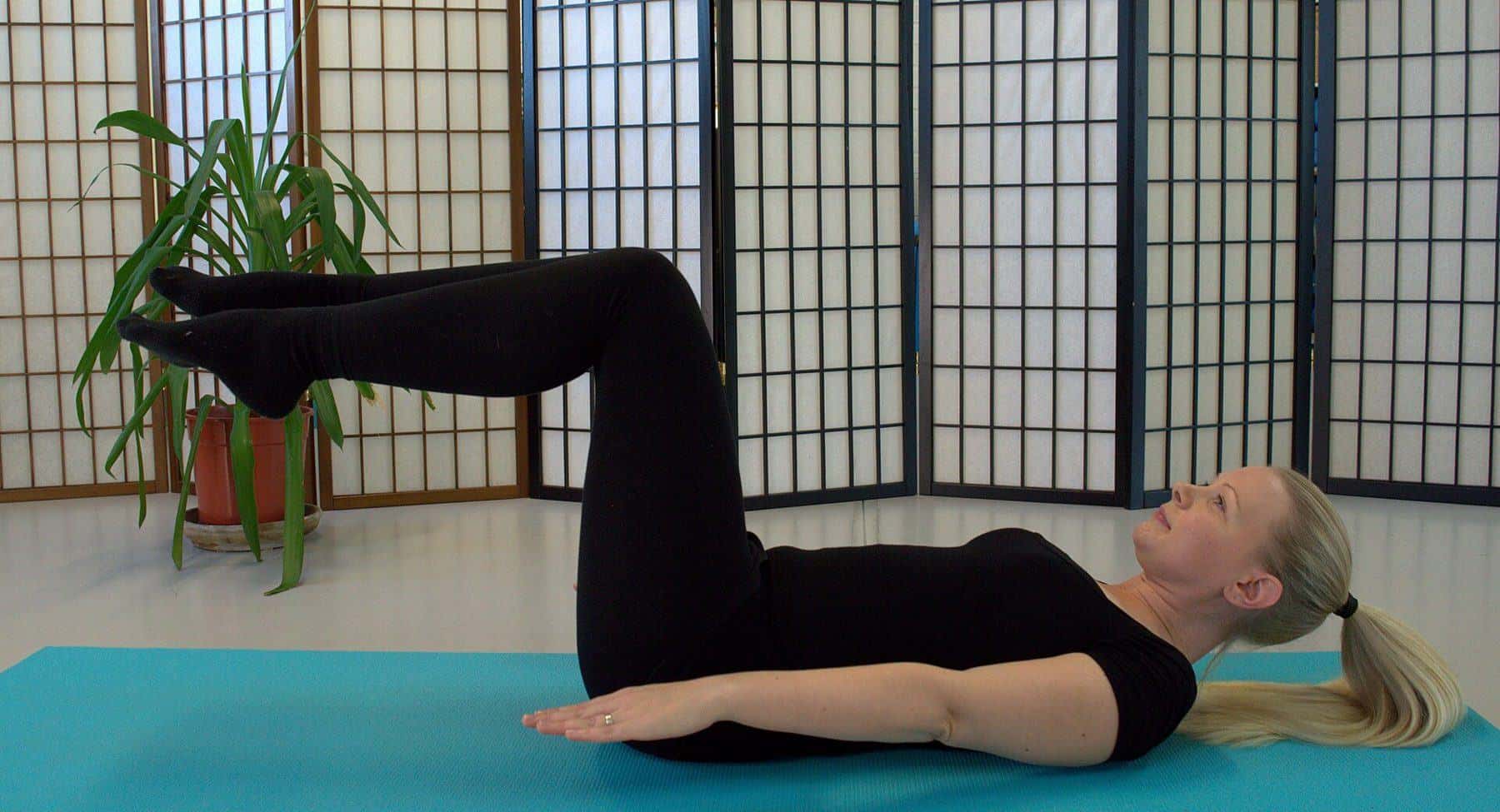
During internment he developed and taught his system of mat exercises, which he called Contrology: the use of the mind to control the muscles, with attention to the deep postural muscles that support the spine. He later said that the movements of animals, especially cats, inspired parts of his regimen. Some early uses of his methods included the rehabilitation of injured people, and popular accounts describe him adapting bed springs to help bedridden internees exercise, an idea often linked to the origins of his spring-based apparatus.
Back in Germany
After the war Pilates returned to Germany, where he collaborated with experts in dance and movement, including Rudolf Laban, and trained police officers in Hamburg.
New York
Around 1925 Pilates emigrated to the United States. On the voyage he met Clara Zeuner, who became his wife and partner in the work. Together they opened a studio in New York City and taught and supervised students directly well into the 1960s.
The studio soon gained a following in New York's dance and performing-arts world. Choreographers George Balanchine and Martha Graham became devotees and sent their students to the Pilates for training and rehabilitation. This link with dance helped spread the method and shaped its reputation for long, strong, controlled movement.
Books and inventions
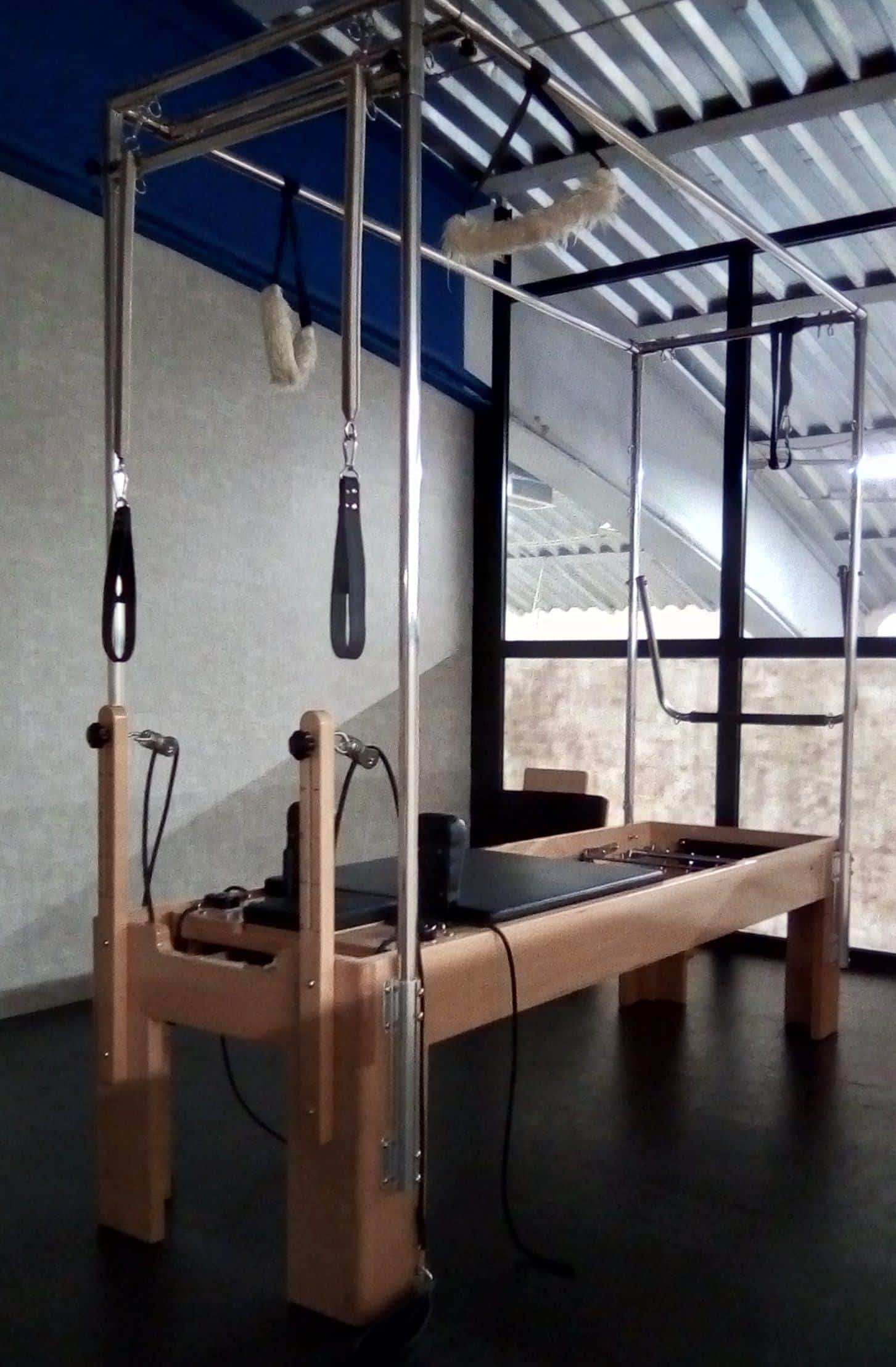
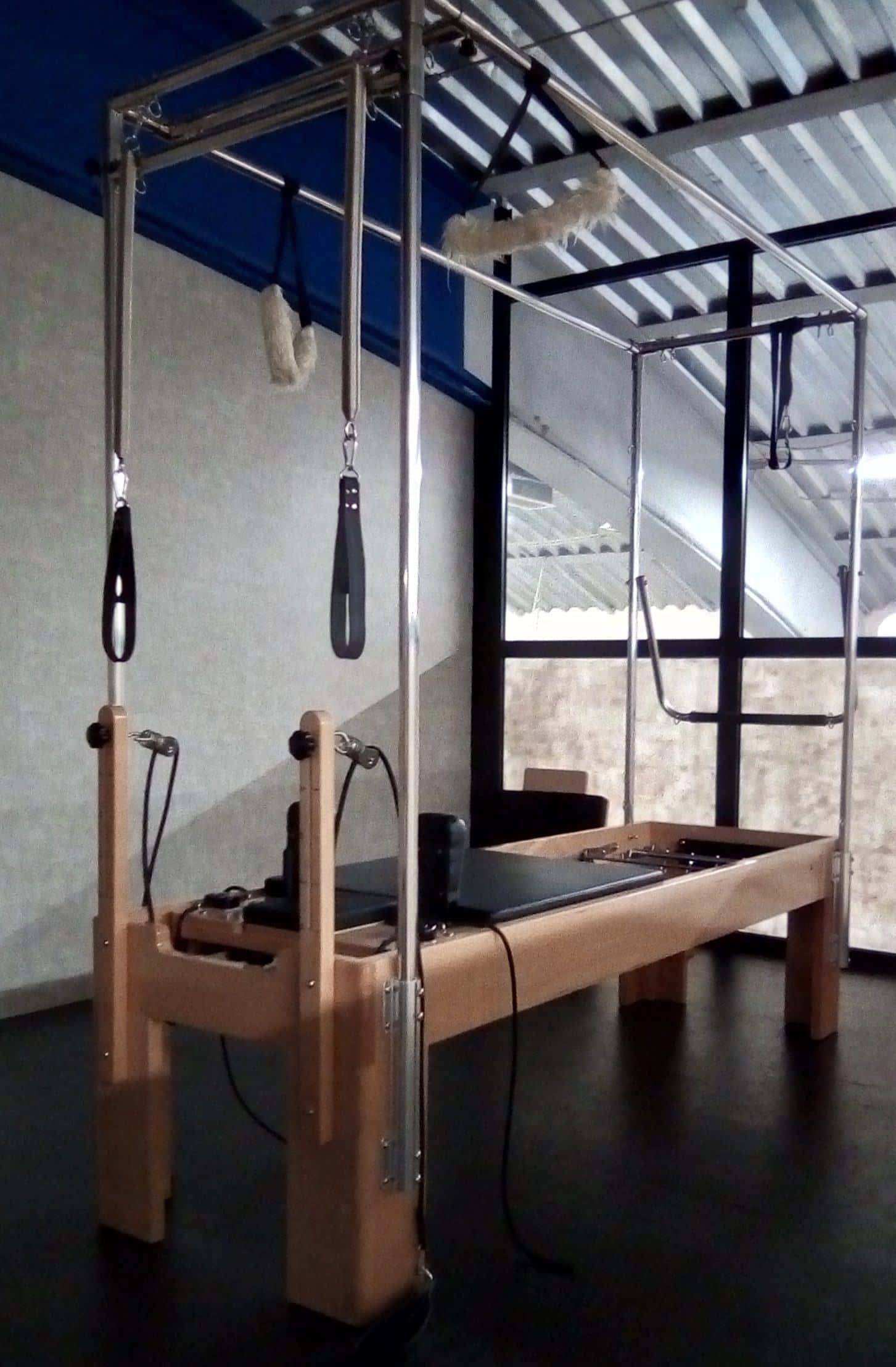
Joseph Pilates published two books on his method: Your Health in 1934 and Return to Life Through Contrology in 1945, written with William J. Miller. He was also a prolific inventor, credited with 26 patents. His apparatus included the Universal Reformer, the Cadillac, the Wunda Chair, the High Chair, the Spine Corrector, the Ladder Barrel and the Pedi-Pole. See our equipment guide.
Later life
Pilates continued to teach and promote his method into old age. He died in New York City in 1967, aged 83. His story is told in the 2013 documentary A Movement of Movement.
The first generation of teachers
Several of Joseph and Clara's students went on to teach, and their different interpretations shaped the many schools of Pilates today. They include Romana Kryzanowska, Kathy Grant, Jay Grimes, Ron Fletcher, Mary Bowen, Carola Trier, Bob Seed, Eve Gentry, Bruce King, Lolita San Miguel and Joseph's niece, Mary Pilates.
Classical and contemporary
Today's Pilates is often divided into two broad approaches. Classical Pilates aims to preserve the work as Joseph Pilates taught it. Contemporary or modern Pilates adapts it, drawing on later exercise science and the teaching of some first-generation students. You will find both in Australia.
"Pilates" becomes generic
In October 2000, a United States federal court ruled that "Pilates" was a generic term, free for anyone to use in the US to describe the method. Following the ruling, the Pilates Method Alliance was formed as a professional association. Pilates instruction is not a regulated profession, which is why checking instructor qualifications matters.
Pilates in Australia
Pilates is now practised widely in Australia, from reformer studios to physiotherapy clinics. Australian industry bodies include the Australian Pilates Method Association and Pilates Alliance Australasia, which set standards for their members. Clinical Pilates, delivered by physiotherapists and other health professionals, became a notable part of the Australian landscape. See how to choose a studio.
Timeline
| Year | Event |
|---|---|
| 1883 | Joseph Pilates born in Mönchengladbach |
| 1912 | Moves to England |
| 1914–1918 | Interned at Lancaster and Knockaloe; develops Contrology |
| c. 1925 | Emigrates to the United States; opens New York studio with Clara |
| 1934 | Publishes Your Health |
| 1945 | Publishes Return to Life Through Contrology |
| 1967 | Dies in New York, aged 83 |
| 2000 | US court rules "Pilates" a generic term |
Why the history matters
Knowing where Pilates came from helps explain why classes focus on breathing, posture and control, and why the equipment looks the way it does.
Frequently asked questions
Who invented Pilates?
Joseph Hubertus Pilates, born in Mönchengladbach, Germany, in 1883. He called his method Contrology.
When was Pilates invented?
Joseph Pilates developed his method in the early twentieth century. He said the inspiration came during World War I, while he was interned in Britain.
Why is it called Pilates?
It is named after its founder. Joseph Pilates called it Contrology; the name Pilates became common later.
Is "Pilates" a trademark?
In 2000, a United States federal court ruled that "Pilates" is a generic term, so it can be used freely in the US to describe the exercise method.
Who were the first Pilates teachers?
Students of Joseph and Clara Pilates who went on to teach included Romana Kryzanowska, Kathy Grant, Jay Grimes, Ron Fletcher, Mary Bowen, Carola Trier, Eve Gentry, Bruce King, Lolita San Miguel and Joseph's niece Mary Pilates.
When did Joseph Pilates die?
He died in New York City in 1967, aged 83.
Sources and further reading
Facts on this page were checked against these primary and official sources. Conditions change — confirm before you travel or buy.
- Joseph Pilates — Wikipedia
- Pilates — Wikipedia
- Knockaloe internment camp — Wikipedia